
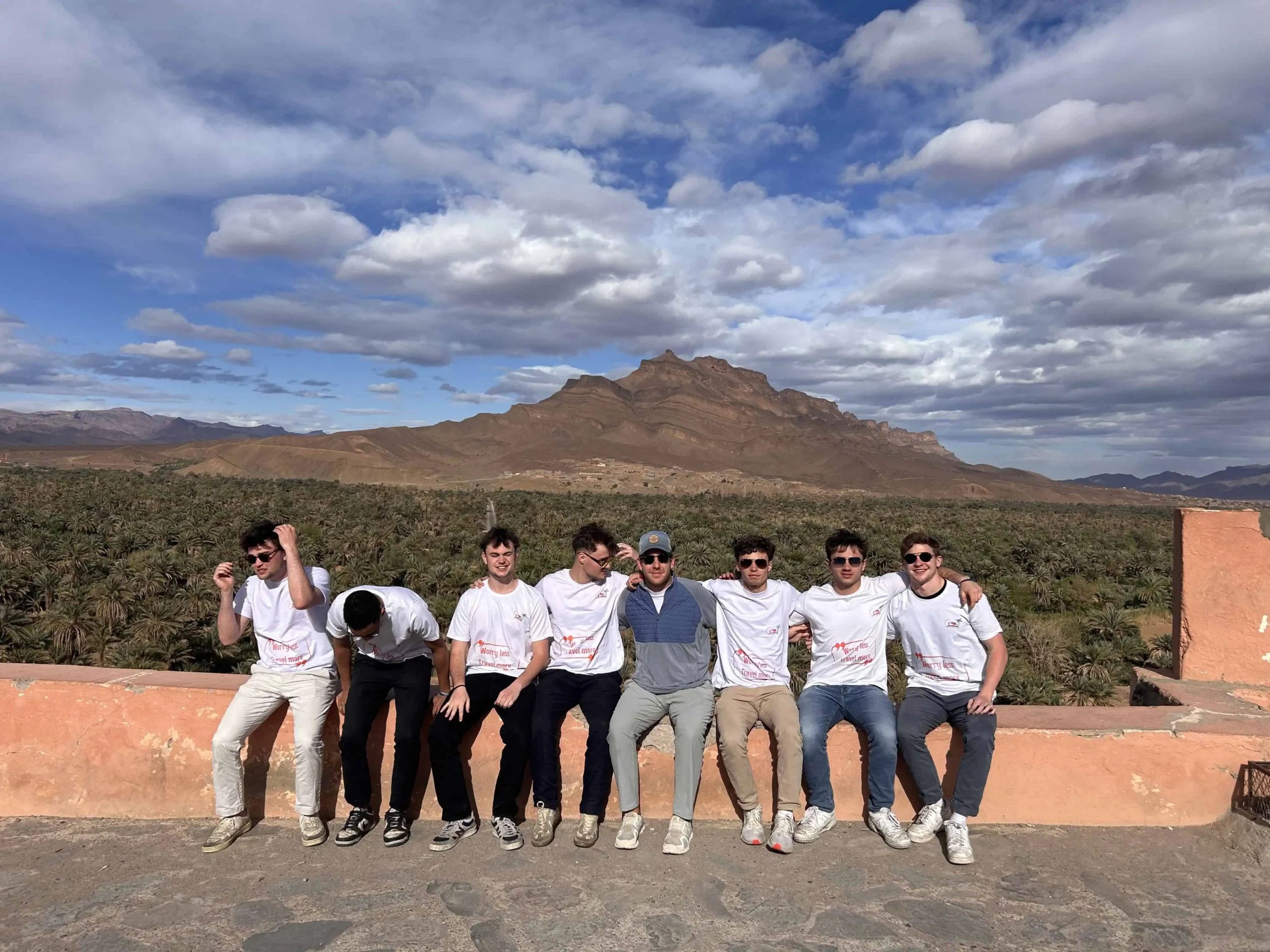
How To Make The Most Of Short Student Trips In Morocco
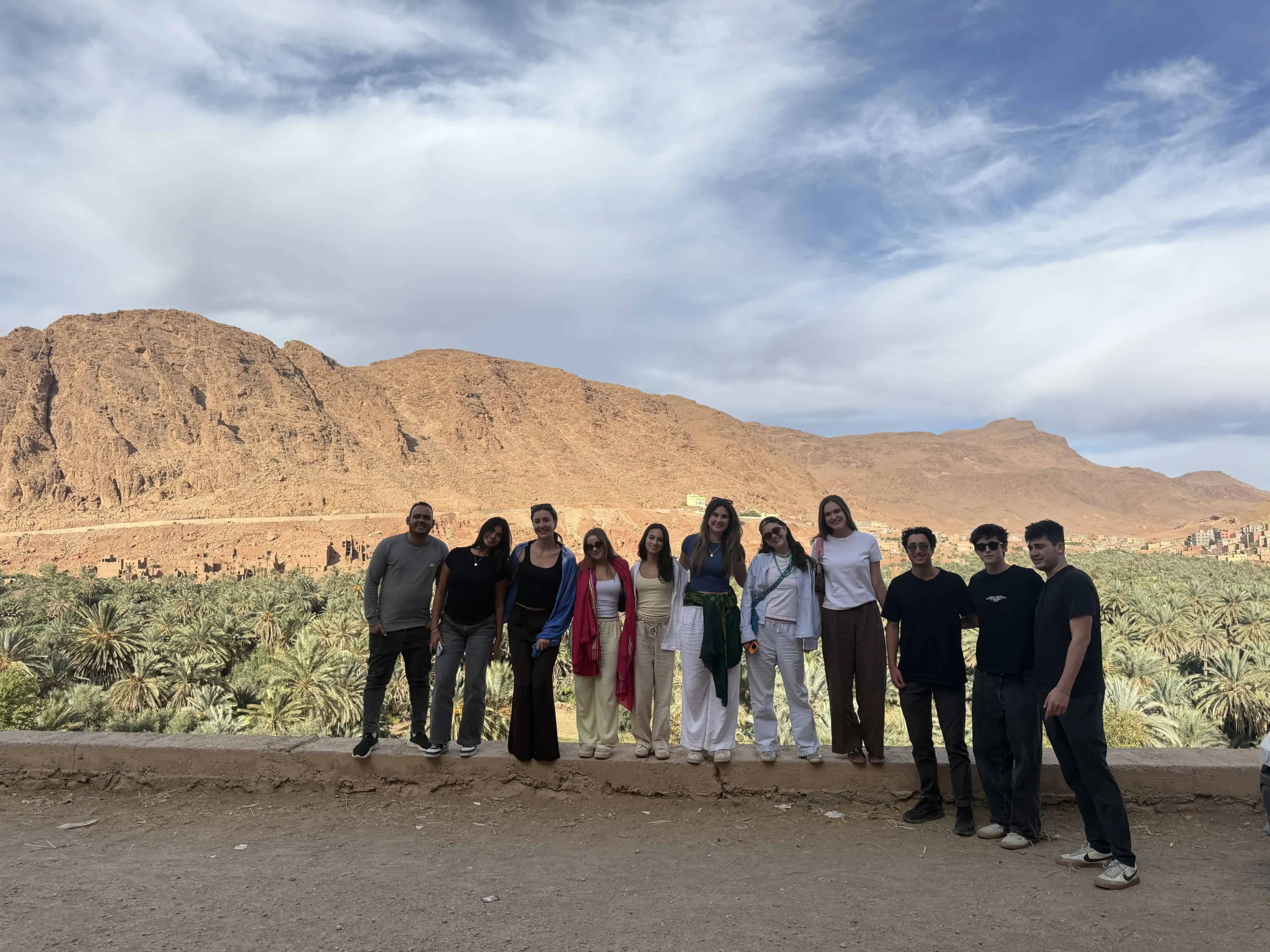
Morocco, with its vibrant souks, sweeping dunes, and rich cultural heritage, offers a unique educational experience for students. The country’s blend of Arab, Berber, African, and French influences creates an immersive environment that can transform a short trip into a memorable journey.
For students traveling abroad, Morocco is more than just a destination; it’s a vibrant classroom without walls. From exploring the historical cities to experiencing the diverse geography, a travel experience in Morocco can be both enriching and educational.
But what makes Morocco so special for students? Is it the opportunity to explore ancient cities, or the chance to experience different cultures firsthand? Whatever the reason, one thing is certain: with proper planning, a short trip to Morocco can be a truly life-changing experience.
Why Morocco Is an Ideal Destination for Student Travel
Morocco stands out as a premier destination for student travel, offering a unique blend of cultural heritage and modern experiences. Located at the crossroads of Africa, Europe, and the Middle East, Morocco provides students with a rich and diverse culture to explore.
Educational Value of North African Culture
The educational value of Morocco lies in its living history, where students can directly engage with Islamic culture, colonial legacies, and traditional artisanal practices still active today. This experience allows students to explore various themes such as colonial history, Islamic studies, and sustainability in an authentic context.
Accessibility and Safety for Student Groups
Morocco is not only accessible but also safe for student groups, thanks to its well-developed tourism infrastructure and established protocols for educational tours. The country‘s compact geography enables students to experience diverse environments, from cities to deserts, within a single travel journey, making it an ideal place for students to explore the world.
With its unique blend of cultures and landscapes, Morocco offers a comprehensive and engaging experience for students. The presence of UNESCO World Heritage Sites and ancient medinas provides tangible connections to world history, bringing textbook learning to life.
Best Times to Plan Your Student Trip to Morocco
When organizing a student trip to Morocco, understanding the optimal travel times is essential. The country’s diverse climate means that the timing of your visit can significantly impact the quality of your educational experience.
Seasonal Considerations for Student Travel
The ideal times for planning a student trip to Morocco are during the spring (March to May) and fall (October to November). These periods offer moderate temperatures and comfortable conditions for outdoor exploration. In the spring, Morocco is particularly vibrant with blooming landscapes, while autumn brings cool nights and warm days with smaller crowds.
It’s advisable to avoid the summer months (June-August) for student travel due to the extreme heat in desert regions, which can exceed 100°F (38°C), making educational activities challenging and potentially unsafe. Conversely, winter travel (December-February) has its advantages, such as fewer tourists, but may include rain in northern regions and cold nights in desert and mountain areas, necessitating more specialized packing.
Optimal Trip Duration for Students
The optimal duration for a student trip to Morocco is typically 8-12 days, allowing sufficient time to experience diverse regions while maintaining student engagement and energy levels. For shorter trips (5-7 days), focusing on specific regions such as the imperial cities or a combination of Marrakech and the nearby Atlas Mountains can still provide a valuable educational experience.
Creating a balanced itinerary that alternates between active days and more relaxed ones helps students maintain energy and enthusiasm throughout the trip. It’s also crucial to consider academic calendars when planning, with spring break often aligning well with ideal weather conditions in Morocco.
Essential Pre-Trip Planning for Morocco
Before embarking on a trip to Morocco, thorough pre-trip planning is crucial for a smooth and enjoyable experience. This involves several key steps that will ensure your student group is well-prepared for the journey.
Documentation and Visa Requirements
Proper documentation is vital for travel to Morocco. It’s recommended that students have passports valid for at least six months beyond their intended stay, with at least two empty pages. While U.S. citizens don’t require a visa for stays under 90 days, it’s essential to check the specific requirements for non-U.S. citizens in your group.
Health Preparations and Vaccinations
Health preparations are also crucial. Students should consult their healthcare provider about recommended vaccinations and medications at least 4-6 weeks before departure. Although no specific vaccines are required for entry into Morocco, being in good physical health is necessary to fully participate in the trip.
Packing Tips for Moroccan Climate and Culture
Packing for Morocco requires balancing cultural sensitivity with practical needs. Students should bring modest clothing that covers shoulders and knees, comfortable walking shoes, and layers for varying climates. Additionally, technology preparations, such as checking international phone coverage and arranging for appropriate power adapters, are important.
Top Educational Destinations in Morocco for Students
With its rich history and diverse geography, Morocco provides numerous educational opportunities for students.
Marrakech
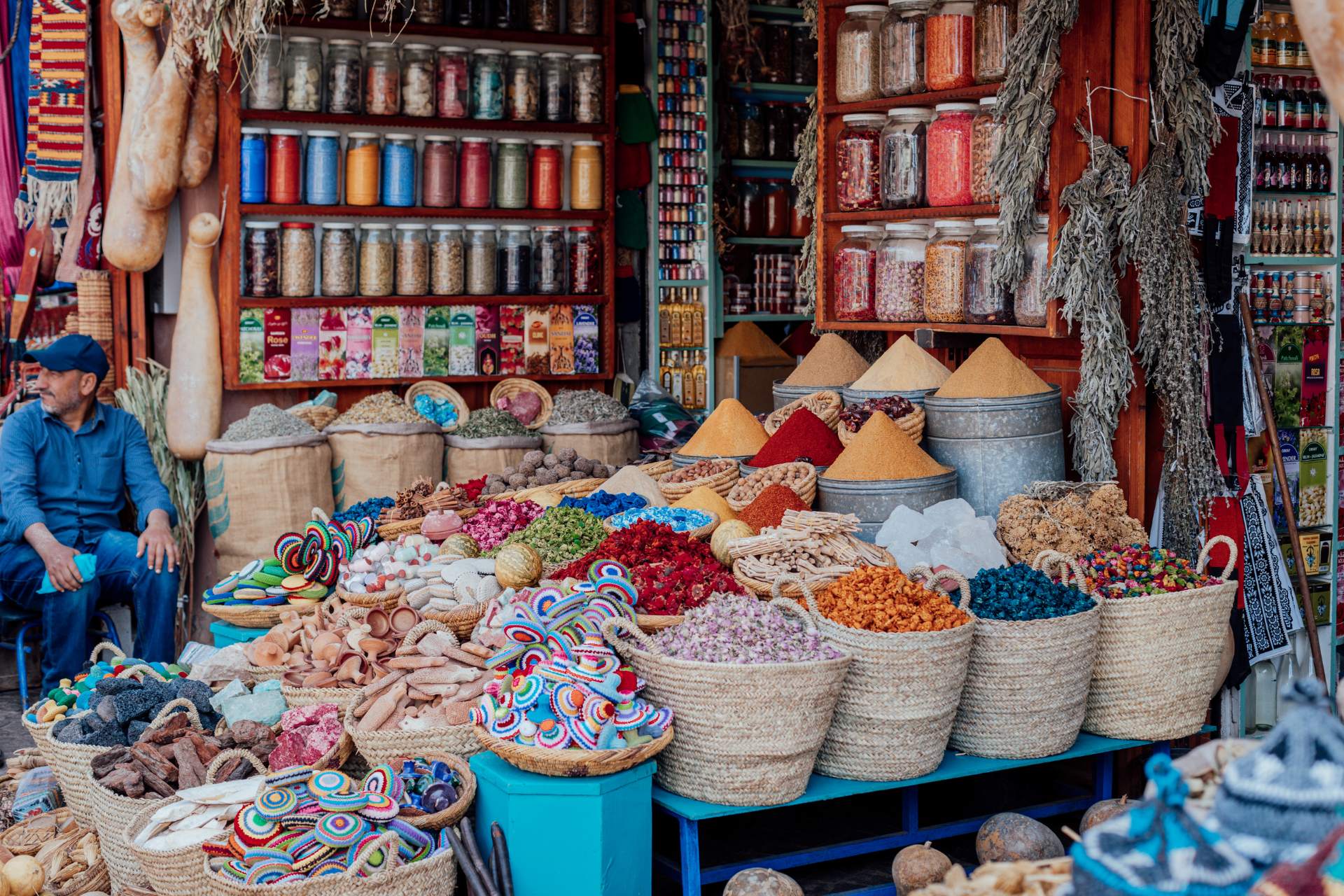
Marrakech serves as an ideal starting point for student educational trips, offering immersive cultural experiences through markets like Jemaa el-Fnaa, where students can observe traditional crafts, storytelling, and commerce in action. The city’s historic medina is filled with opportunities to explore royal architecture and history at sites like Bahia Palace and Saadian Tombs.
Students can also learn about biodiversity and design at the Majorelle Garden, a peaceful urban oasis.
Fes
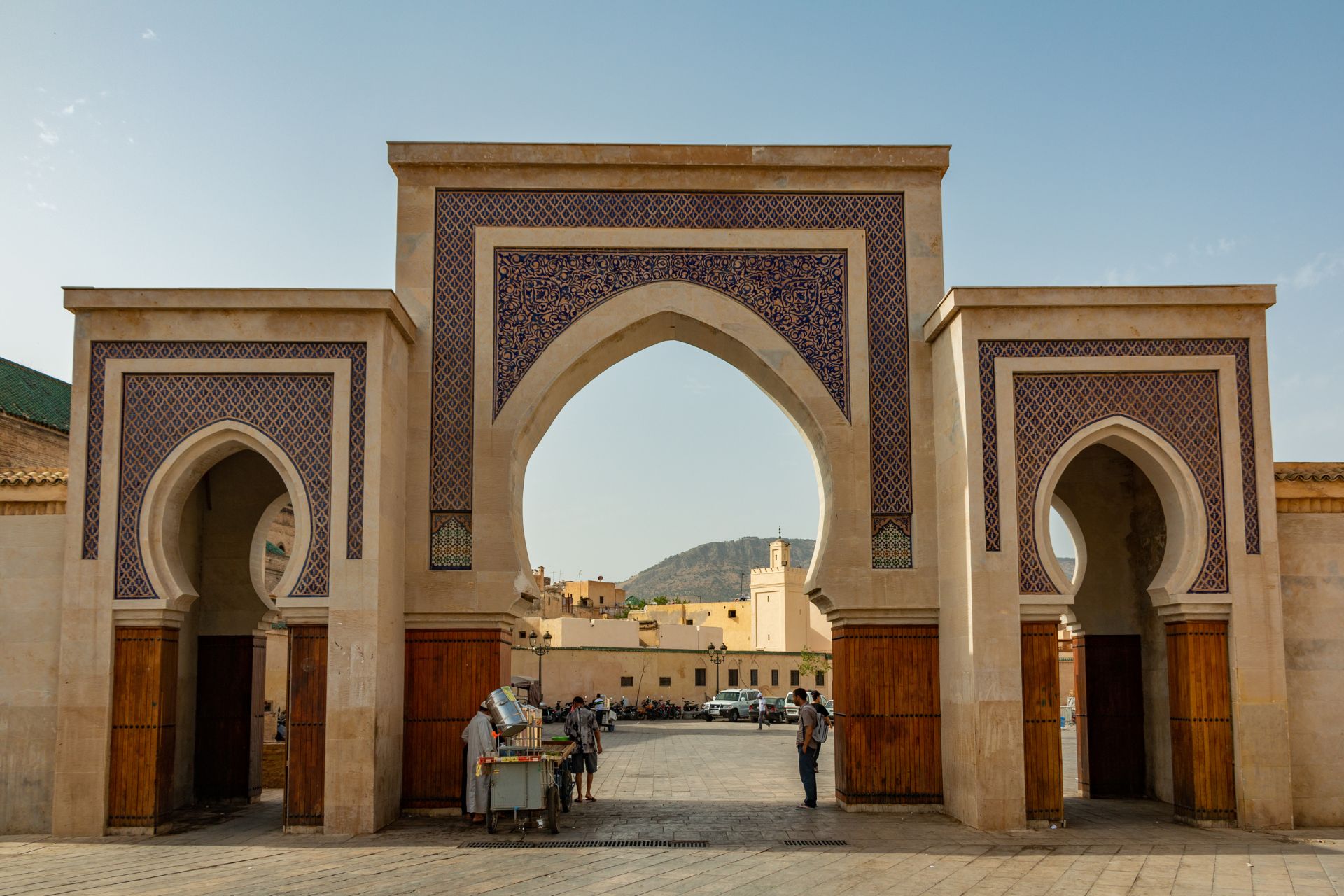
The imperial city of Fes contains the world’s largest car-free urban area in its ancient medina, providing students with unparalleled opportunities to study medieval Islamic urban planning and architecture. The continuation of traditional artisanal practices in Fes offers a living classroom for students to learn about historical preservation and cultural heritage.
Atlas Mountains and Sahara Desert
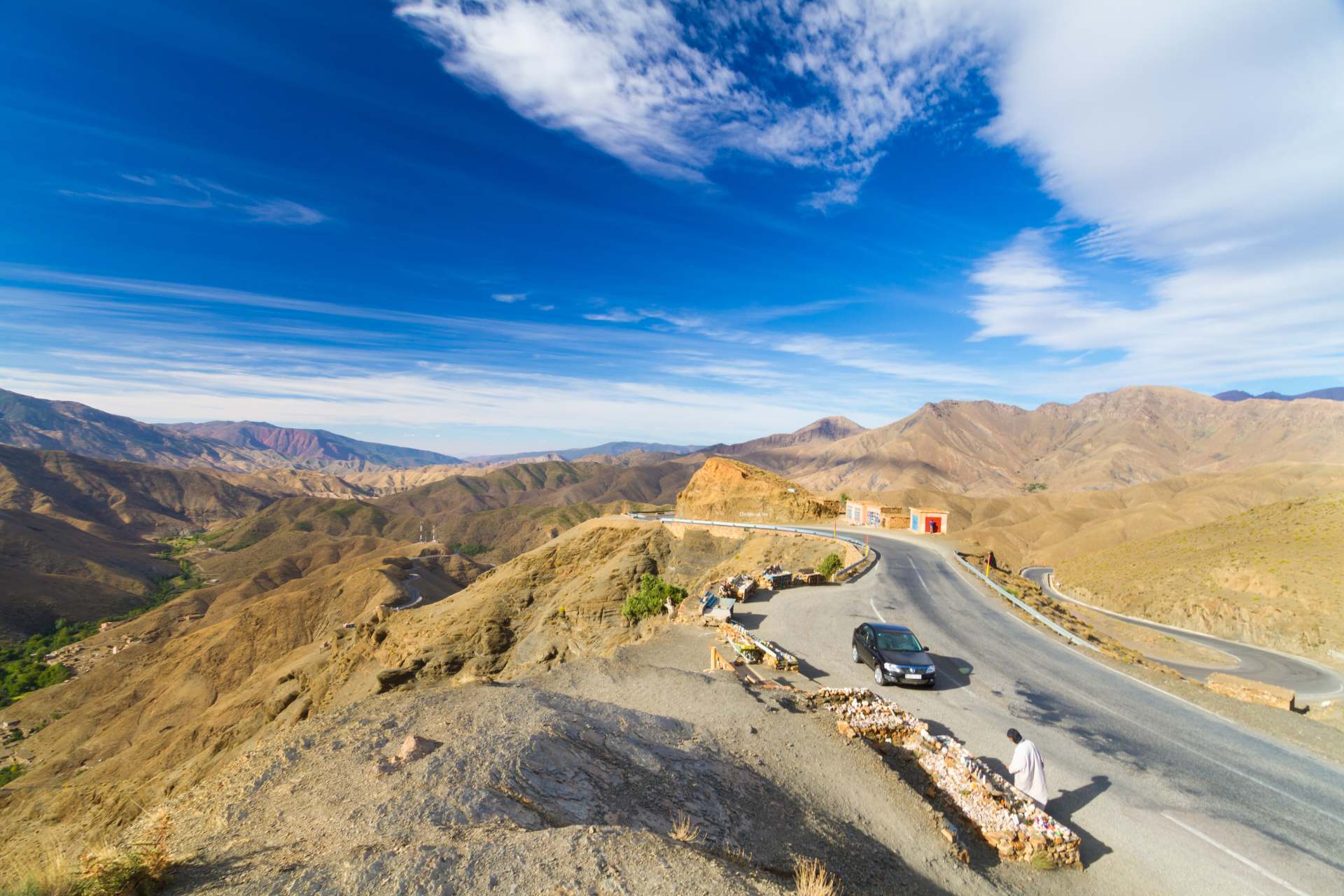
The Atlas Mountains offer geography and ecology students the chance to examine diverse ecosystems, traditional Berber villages, and sustainable agricultural practices. In the Sahara Desert, students can study desert ecology, nomadic cultures, and astronomical observation in areas with minimal light pollution, typically based from Merzouga or M’Hamid.
The combination of these destinations provides a comprehensive educational experience, covering cultural, historical, and environmental aspects.
How to Make the Most of Short Student Trips in Morocco
Short student trips to Morocco can be incredibly enriching when there’s a thoughtful blend of structured learning experiences and opportunities for organic exploration. To maximize the educational value of these trips, careful planning is essential.
Balancing Structured Learning with Exploration
A well-crafted itinerary that balances structured educational activities with free time allows students to explore and discover Morocco’s rich culture at their own pace. This balance is crucial for creating a meaningful travel experience.
Incorporating Language Practice Opportunities
Incorporating language practice throughout the day enhances students’ engagement with local people and culture. Even basic greetings and expressions in Arabic or French can significantly improve their experience.
Maximizing Cultural Exchange Experiences
Organizing meaningful cultural exchange experiences, such as shared meals with local families or workshops with Moroccan students, creates memorable learning moments. These interactions provide students with authentic experiences that go beyond typical tourist tours.
By focusing on these aspects, educators can create a rich and engaging experience for their students, making the most of their short trip to Morocco.
Navigating Moroccan Culture as a Student Group
The vibrant culture of Morocco is a significant draw for student groups, yet it requires a thoughtful approach to fully appreciate its nuances. Morocco is home to the Berber people and offers a plethora of immersive cultural experiences, from staying in traditional Berber villages to listening to stories over a campfire in the Sahara.
Cultural Etiquette and Dress Codes
Understanding and respecting Moroccan cultural norms is essential for student groups. Modest clothing that covers shoulders and knees is recommended, especially when visiting religious sites. Female students should be prepared to cover their heads when entering mosques or other religious buildings. Basic cultural etiquette includes using the right hand for eating and passing items, removing shoes when entering homes, and avoiding public displays of affection.
Religious Considerations and Respect
Religious considerations play a significant role in daily life in Morocco. Student groups should be aware of prayer times, which can affect business hours and site accessibility. During Ramadan, it’s essential to refrain from eating, drinking, or smoking in public during daylight hours. Learning basic Arabic or French phrases can demonstrate respect for the local culture and lead to more meaningful interactions with the Moroccan people.
By being mindful of these cultural and religious considerations, student groups can have a more enriching and respectful experience in Morocco. This includes understanding the concept of bargaining in markets as a cultural practice and being respectful of photography etiquette, particularly in rural areas.
Budget-Friendly Accommodation and Transportation Options
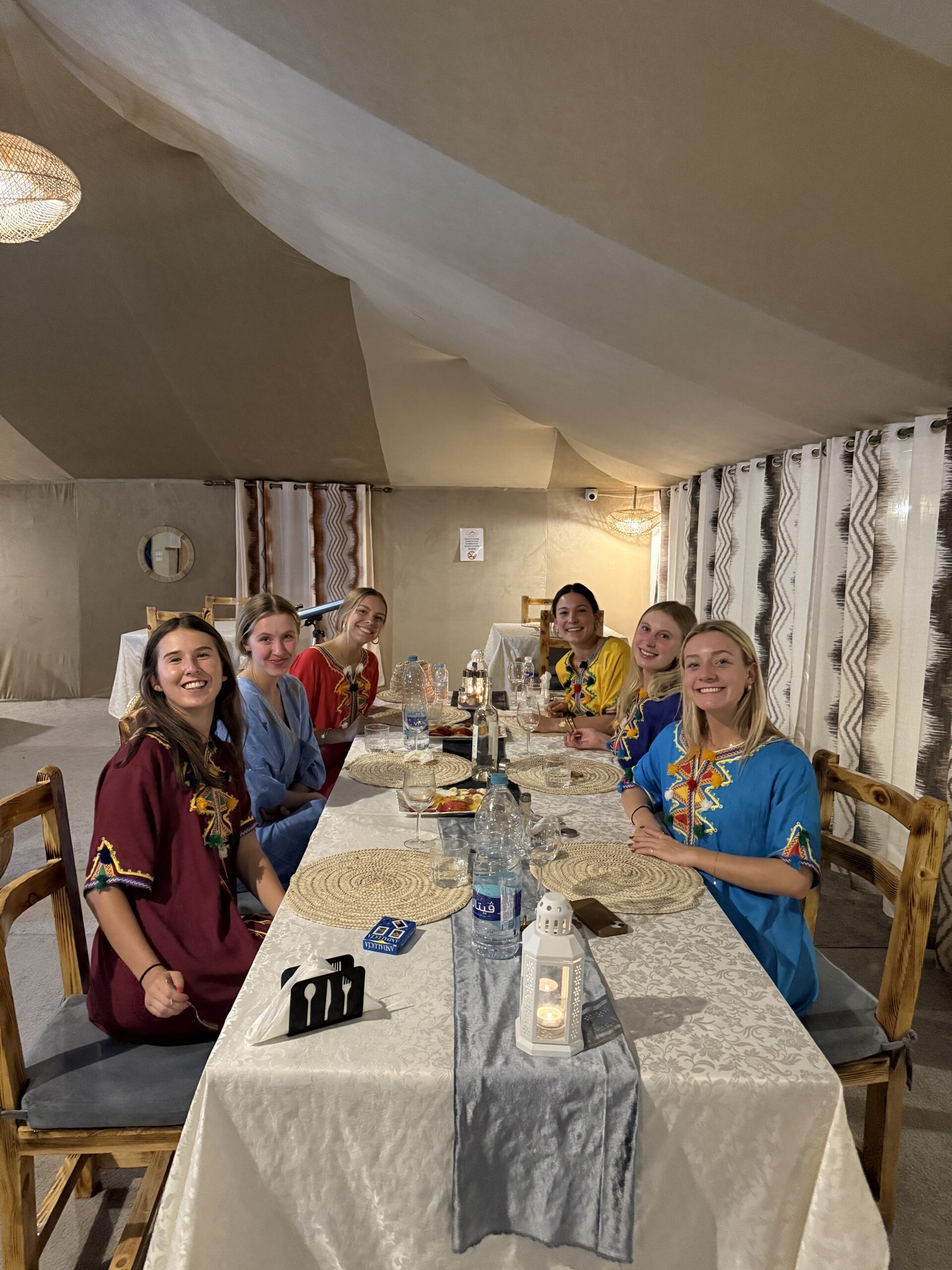
Planning a student trip to Morocco requires careful consideration of accommodation and transportation costs to ensure a budget-friendly experience. Student groups can choose from a variety of affordable options that cater to their needs.
Student-Friendly Accommodation Choices
Morocco offers several budget-friendly accommodation options for student groups, including traditional riads in city medinas, guesthouses or ecolodges in the mountains, and desert camps with private tents. These options not only provide an authentic experience but are often more cost-effective than international hotel chains. University residences in cities like Rabat and Fes offer summer accommodations at reduced rates, while hostels with dormitory-style rooms are increasingly available in major cities, reducing costs and facilitating interaction among students.
Getting Around
Transportation costs can be minimized by arranging private group transfers and utilizing public transportation options like trains between major cities. Local transportation can be managed through organized walking tours and occasional group taxi arrangements. Many tour companies, such as Evolve Tours, offer package deals that include both accommodation and transportation, making it easier to plan a budget-friendly trip.
Culinary Experiences and Food Safety for Students
The culinary journey is a significant part of the Moroccan experience for students. Moroccan cuisine is a rich blend of Arab, Mediterranean, and African flavors, offering a unique gastronomic adventure.
Must-Try Moroccan Dishes for Students
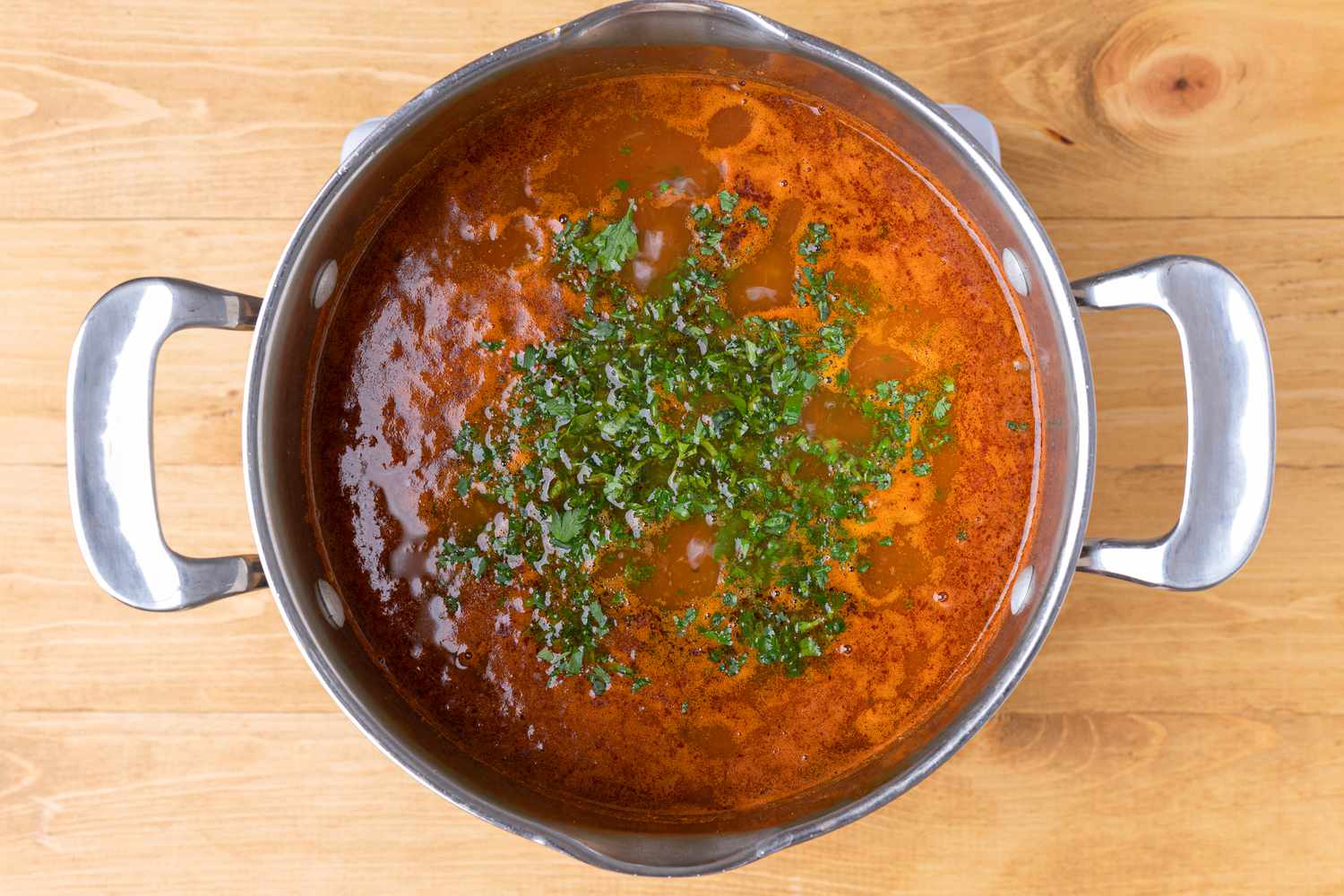
Moroccan food is both flavorful and nutritious, with several dishes that students will enjoy. Tagine, a slow-cooked stew named after the earthenware pot in which it’s cooked, is a staple. Students can also try couscous on Fridays, a tradition across the country. Street food is another highlight, with options like harira (tomato and lentil soup) and msemen (square pancakes) providing budget-friendly culinary experiences. Additionally, mint tea, a cultural ritual, is a refreshing beverage that students will encounter throughout their trip.
Dietary Considerations and Food Safety
When it comes to food safety, students should be cautious. Drinking only bottled water and ensuring that hot foods are thoroughly cooked are essential precautions. Raw vegetables or unpeeled fruits should be avoided in areas with less developed infrastructure. Fortunately, dietary restrictions can generally be accommodated in Morocco, with advance communication to guides and restaurants ensuring that vegetarian, vegan, halal, or allergy-sensitive options are available.
Conclusion
As students return home from their Moroccan adventure, they carry with them more than just memories. The experience they’ve gained through traveling in Morocco can be transformative, influencing their academic and career choices, and shaping their perspectives on North African culture and their own place in the world.
The journey through Morocco provides students with valuable opportunities for critical reflection on cultural assumptions, consumption patterns, and social structures. By documenting their travel experiences through journals, photography, or digital storytelling, students create lasting resources that can be shared with their home communities, extending the educational impact of their trip.
Upon returning home, students can organize post-trip presentations or exhibitions to share their learning with peers. This helps both to process their own experiences and extend the educational benefits to others. The practical skills developed during travel in Morocco, such as navigating unfamiliar environments and communicating across language barriers, translate into valuable life and professional competencies.
Ultimately, even short trips to Morocco can plant seeds for lifelong interest in global issues, international travel, and cross-cultural understanding that continue to grow long after students return home. By embracing the differences between Moroccan daily life and their own, students can develop a deeper appreciation for the diversity of human culture and people around the world.