

Top Historical Sites In Morocco Perfect For Student Tours
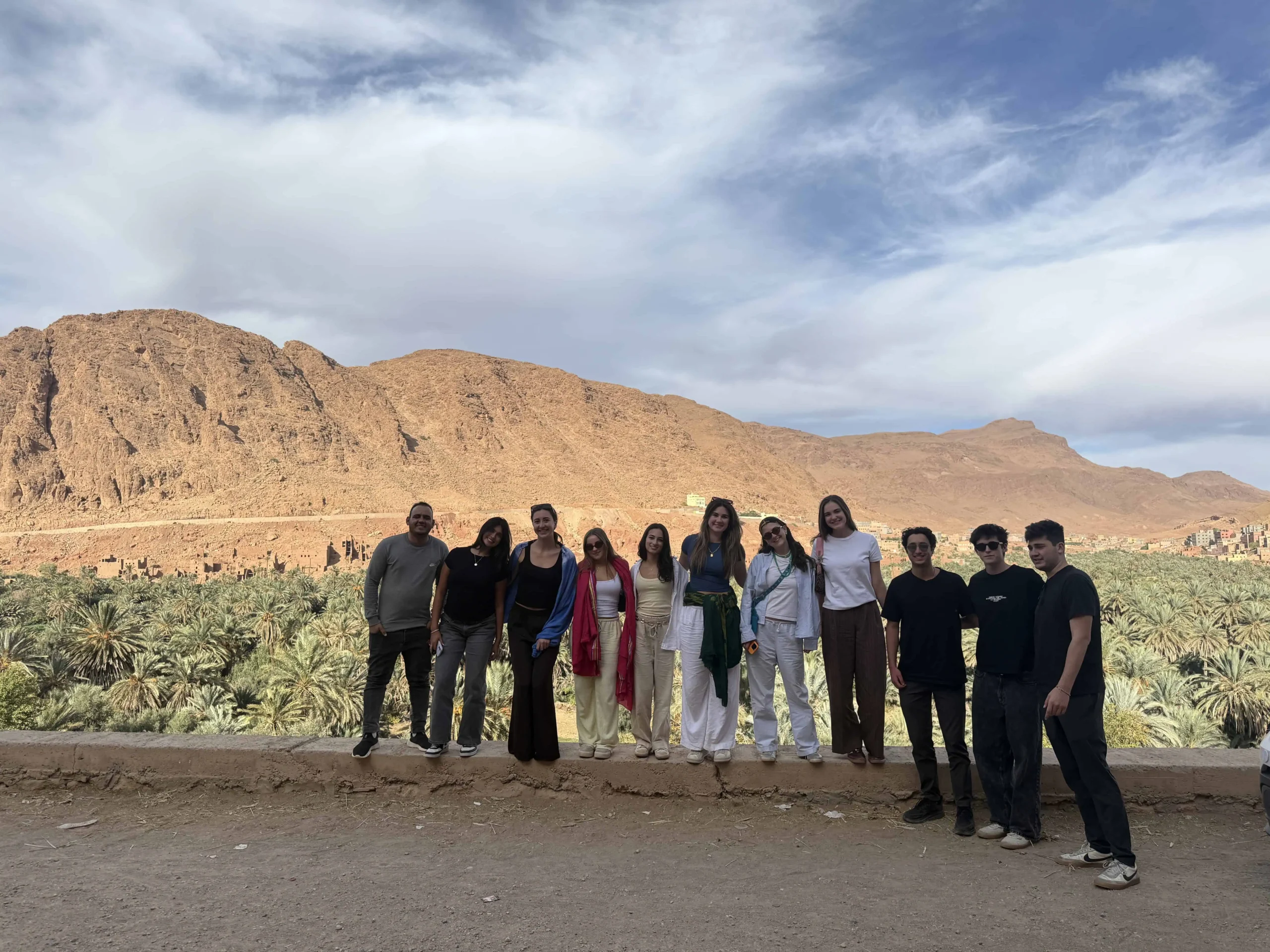
Can a journey through Morocco’s rich past ignite a passion for history and culture in students?
Morocco is a treasure trove of cultural and historical significance, making it an ideal destination for student tours. The unique blend of Arab, Berber, and European influences has shaped a diverse heritage that’s both fascinating and educational.
By exploring Morocco’s imperial cities, ancient medinas, and architectural wonders, students can experience immersive learning beyond the traditional classroom. This article will highlight key destinations that showcase the depth and richness of Moroccan culture and history, providing insights into how these sites contribute to a comprehensive understanding of the region.
A Land of Rich History and Cultural Heritage
Morocco’s position at the crossroads of Africa and Europe has contributed to its rich historical tapestry. The country’s diverse landscape, ranging from the Atlas Mountains to the Sahara Desert, is matched by its rich cultural heritage. This millennia-old kingdom has been shaped by various civilizations, including the Berbers, Arabs, and Europeans, making it a fascinating destination for cultural exploration.
The Kingdom’s Historical Significance
Morocco’s historical significance is evident in its four Imperial Cities: Marrakech, Fez, Meknes, and Rabat. These cities have played a crucial role in shaping the country’s history and culture. From ancient Berber civilizations to Arab conquests and European influences, Morocco’s diverse historical influences have created a unique cultural landscape. The kingdom’s strategic geographical position has facilitated cultural exchange, making it an important hub for historical study.
Educational Value for Student Travelers
For students, Morocco offers a living history experience, where ancient traditions continue alongside modern developments. The country’s historical sites provide tangible connections to classroom learning, making abstract concepts concrete through direct experience. By exploring Morocco’s rich heritage, students can gain a deeper understanding of cultural exchange, historical development, and the significance of preserving cultural heritage. This experience can be particularly valuable for school groups, enhancing their knowledge of history, architecture, and sociology.
Marrakech
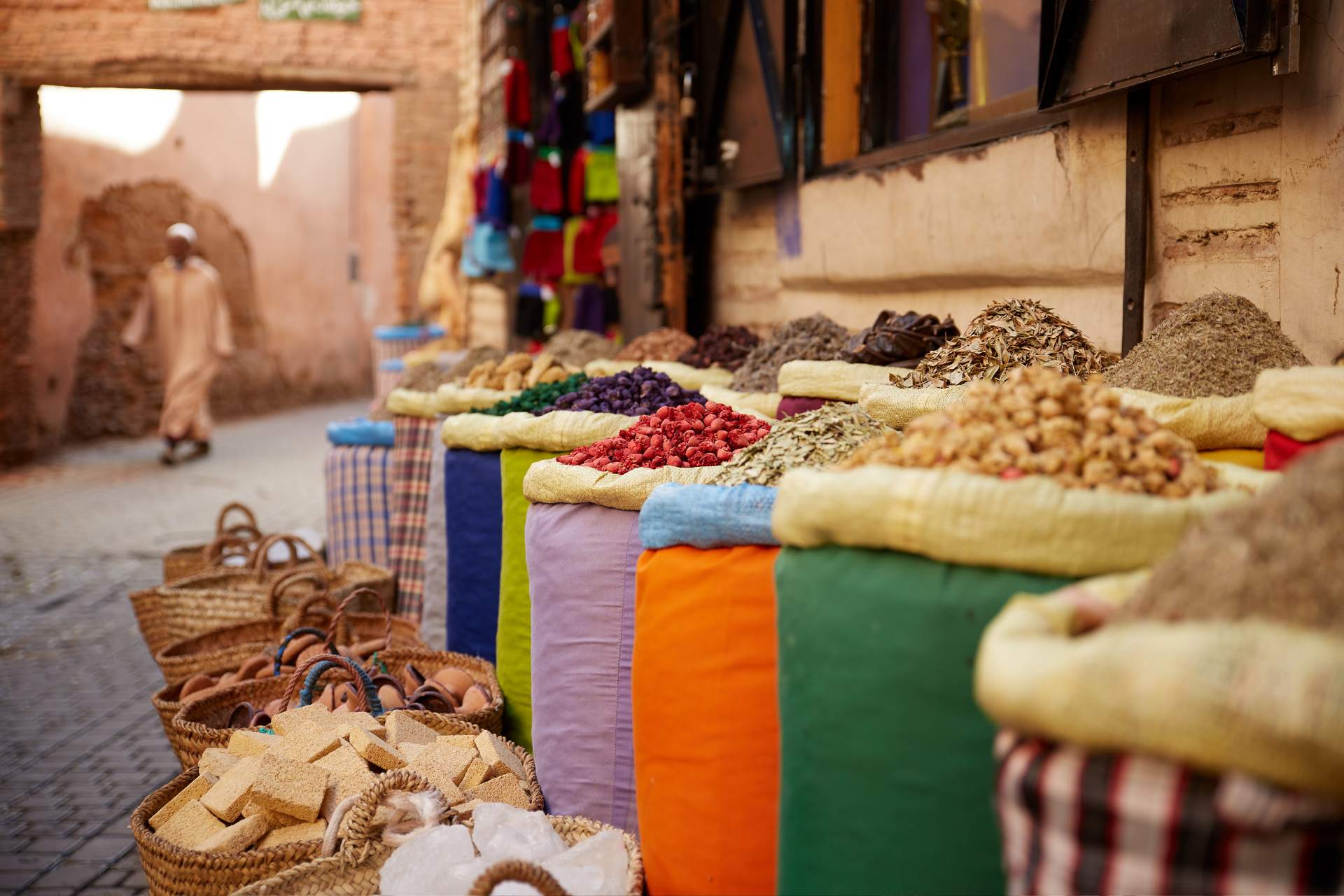
Marrakech, known as the “Red City,” is a treasure trove of historical sites that offer students a unique learning experience. Founded in 1062 by the Almoravids, Marrakech served as a capital during the Almoravid, Almohad, and Saadian dynasties, making it a city with a rich history.
The UNESCO-Listed Medina
The heart of Marrakech is its Medina, a UNESCO World Heritage site. This labyrinthine area is filled with bustling streets, traders, artisans, mosques, palaces, and walls, providing a living museum of Moroccan urban planning and design.
Bahia Palace and Koutoubia Mosque
Marrakech is home to numerous historical landmarks, including the Bahia Palace, a masterpiece of 19th-century Moroccan craftsmanship, and the Koutoubia Mosque, Morocco’s largest mosque and a prime example of Almohad architecture.
Educational Experiences in Marrakech’s Souks
The vibrant souks of Marrakech serve as outdoor classrooms where students can learn about traditional crafts, commerce, and social organization. Immersive experiences in these souks provide students with hands-on learning opportunities.
By incorporating school trips to Marrakech into their curriculum, educators can provide students with a comprehensive understanding of Morocco’s history and culture, making Morocco school trips an invaluable educational experience.
Fes
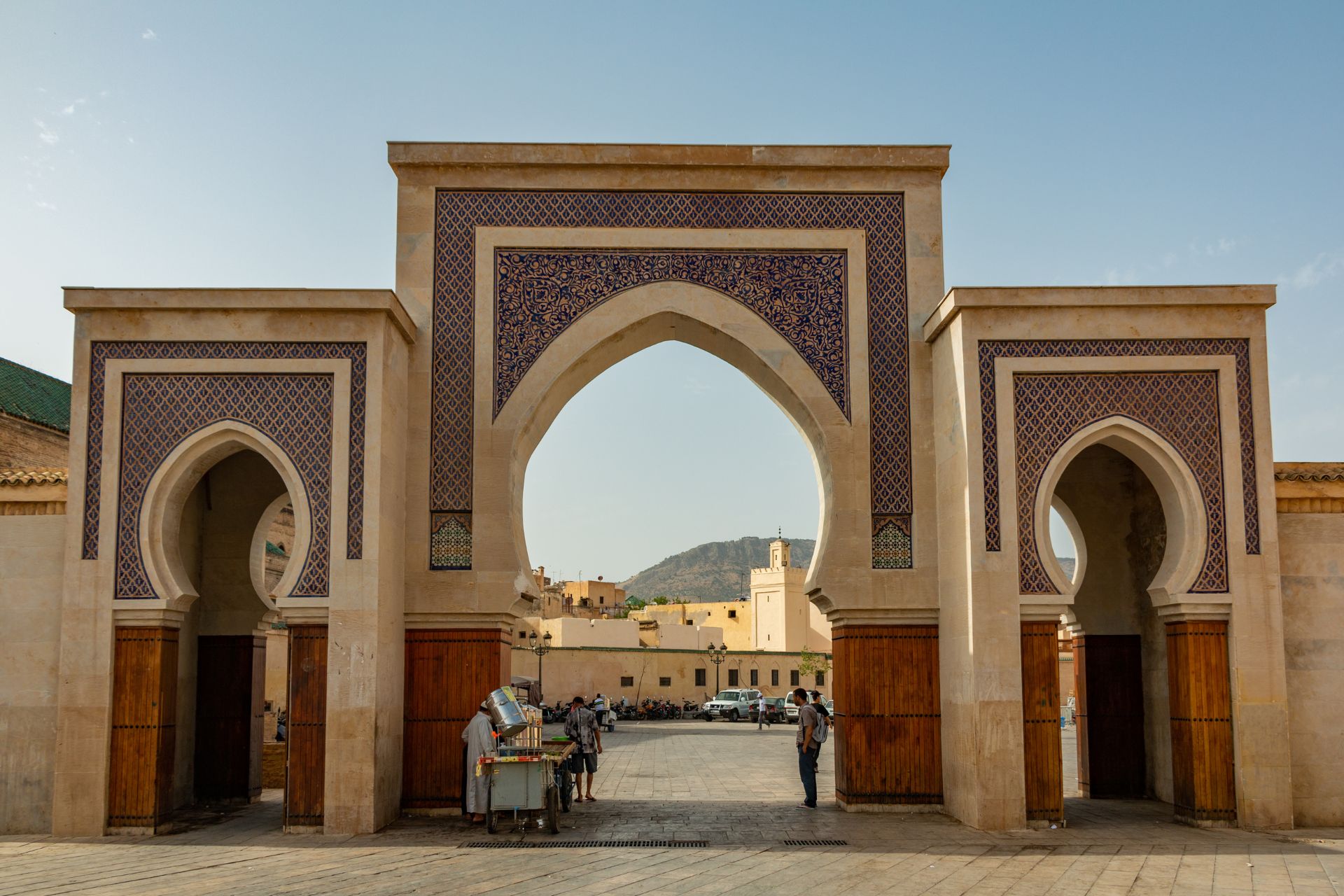
Nestled in the heart of Morocco, Fez is a city that embodies the country’s rich history, culture, and traditions. Having served as Morocco’s capital multiple times throughout history, Fez is a treasure trove of historical and educational experiences, making it an ideal destination for students on a Morocco school tour.
The World’s Largest Pedestrian Medina
Fez-el-Bali, the ancient Medina of Fez, is considered the world’s largest car-free urban area and a UNESCO World Heritage site. With its labyrinthine network of over 9,000 streets, Fez-el-Bali offers students a unique journey through medieval urban planning and Islamic architecture, providing insights into the city‘s historical significance.
The Oldest University in the World
Al Karaouine University, founded in 859 CE, is the oldest continuously operating educational institution in the world. This historical university represents Morocco’s significant contribution to global knowledge and science, offering students a chance to explore the rich educational heritage of the region.
Artisan Workshops and Cultural Immersion
Fez’s traditional artisan quarters provide a unique educational experience, where students can observe centuries-old crafting techniques in leather tanning, pottery, metalwork, and textile production. This immersion in traditional crafts allows students to gain a deeper understanding of Morocco’s cultural continuity and the importance of preserving ancient traditions.
Fez exemplifies Morocco’s cultural continuity, where ancient traditions remain vital parts of contemporary life. By exploring Morocco through its historical sites like Fez, students can gain a comprehensive understanding of the country’s history and culture.
Meknes
Meknes, the imperial city, was Sultan Moulay Ismail’s masterpiece, showcasing 17th-century Moroccan architecture. Built in the 17th century, Meknes was designed to rival European royal courts, earning it the nickname “Versailles of Morocco.”
The Magnificent Bab el-Mansour Gate
Bab el-Mansour Gate is one of the most magnificent gates in North Africa, exemplifying Moorish-Spanish architectural influence. This gate was a symbol of imperial power and remains a significant historical landmark.
Royal Palace and City Walls
Meknes boasts 40 kilometers of walls, extensive granaries, and massive stables that once housed 12,000 horses. These structures demonstrate the logistical and engineering capabilities of historical Moroccan society.
Historical Significance for Educational Tours
Studying Meknes offers students insights into urban planning, political symbolism, and state formation in the 17th century. The city’s less crowded environment allows for more in-depth exploration and reflection during school trips.
Educational activities in Meknes can include comparative studies of European and Moroccan royal architecture and analysis of historical water management systems. This history-rich city provides a valuable place for school groups to learn about Moroccan culture and history.
Rabat
As Morocco’s current capital, Rabat offers a unique blend of antiquity and modernity for students to explore. The city’s rich history is evident in its architectural landmarks, while its contemporary governance structures provide insights into modern Morocco.
Hassan Tower and Mohammed V Mausoleum
The Hassan Tower, an incomplete 12th-century minaret, provides students with insights into Almohad architectural ambitions and construction techniques. Next to it is the Mohammed V Mausoleum, a royal marble pantheon that symbolizes Morocco’s transition from colonial rule to independence, offering a tangible connection to modern Moroccan history.
Kasbah of the Udayas
The Kasbah of the Udayas is a fortified residential quarter dating back to the 12th century. It highlights its role in coastal defense and features Andalusian-influenced gardens and architecture, showcasing the culture and history of the region.
Modern History and Governance Studies
Rabat’s dual nature as both a historical site and modern administrative city allows students to observe the continuity and evolution of Moroccan governance over time. Educational activities include visits to government institutions and comparative studies of colonial and post-colonial urban development, making Rabat an ideal place for Morocco school tours.
Casablanca
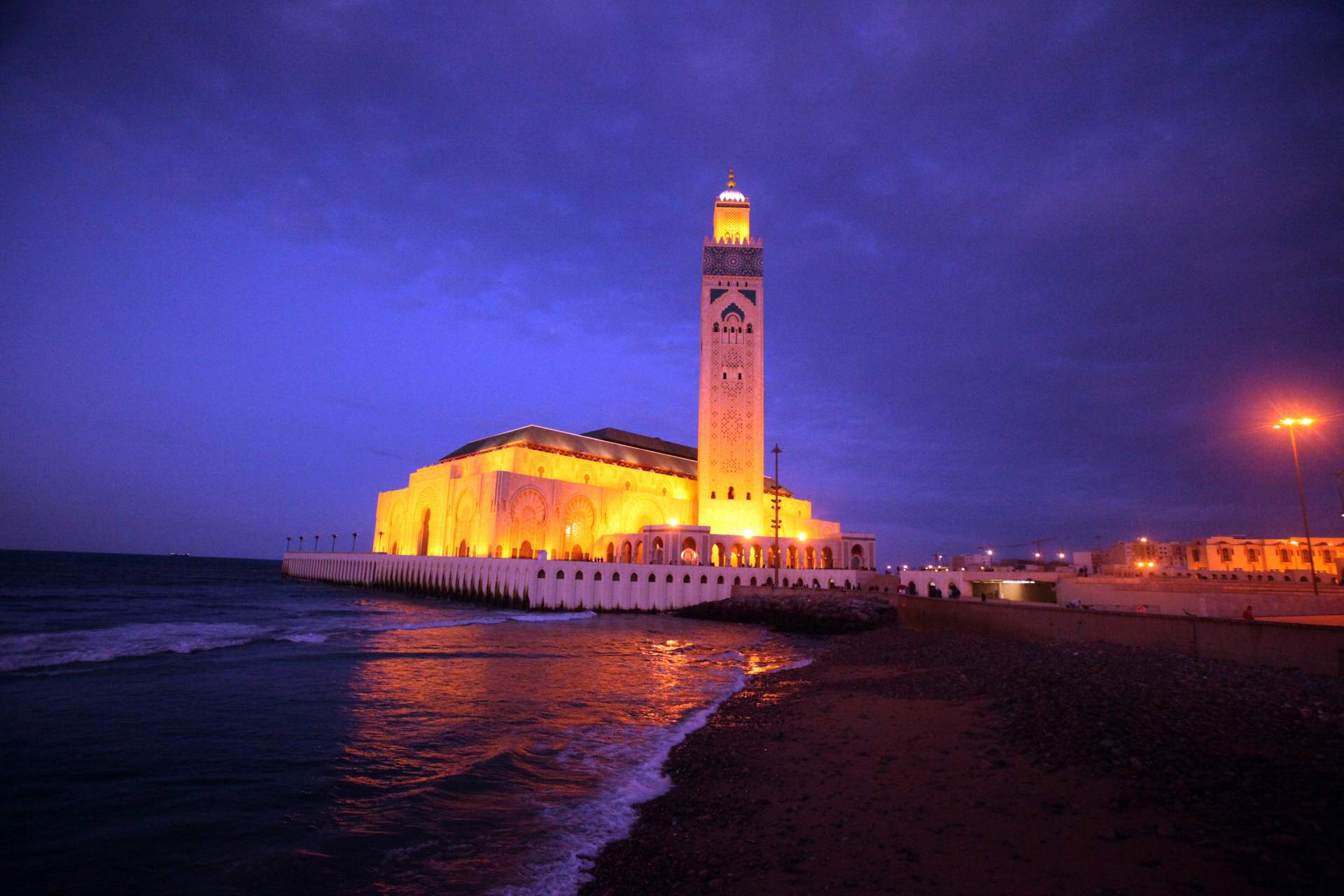
Completed in 1993, the Hassan II Mosque represents a blend of traditional Moroccan craftsmanship and modern engineering, making it an ideal site for student tours. This architectural marvel is not only a significant religious site but also a cultural landmark that showcases Morocco’s rich heritage.
Architectural Marvel and Religious Education
The Hassan II Mosque is the second-largest mosque in the world and boasts a 210-meter minaret, the world’s tallest. Its capacity for 25,000 worshippers inside and 80,000 in the courtyard makes it an impressive religious structure. The mosque’s construction over the Atlantic Ocean is a feat of engineering, combining traditional Moroccan craftsmanship with modern techniques.
The mosque offers students a rare opportunity to learn about Islamic religious practices and architectural principles firsthand. As one of the few mosques in Morocco open to non-Muslim visitors, it provides a unique learning experience.
Cultural Significance for Student Learning
The Hassan II Mosque is a symbol of modern Morocco’s commitment to its Islamic heritage while engaging with contemporary global architecture. Its culture and historical significance make it an invaluable site for students to explore. By studying the mosque, students can gain insights into the country’s rich Moroccan culture and its evolution over time.
Visits to the Hassan II Mosque can promote interfaith understanding and appreciation of religious architecture’s cultural importance. Learning activities such as analyzing Islamic architectural elements, studying the role of sacred spaces, and examining the technical challenges of the mosque’s construction can enhance students’ understanding of the country’s cultural and religious practices.
Ait Benhaddou

Ait Benhaddou is a spectacular example of a ksar, or fortified village, that has been designated as a UNESCO World Heritage site. This ancient village provides students with valuable insights into pre-Saharan habitat and traditional Moroccan earthen architecture. The site’s historical significance is multifaceted, reflecting its role as a crucial trading post on the caravan route between Marrakech and the Sahara.
Ancient Mud-Brick Architecture
The mud-brick construction of Ait Benhaddou is a testament to the ingenuity of ancient Moroccan builders. The structures, made from ochre clay, have withstood centuries of desert conditions through ingenious building techniques. This architectural achievement is a significant aspect of the site’s cultural and historical importance.
Historical Trading Post on the Caravan Route
Ait Benhaddou’s location on the caravan route between Marrakech and the Sahara made it a vital trading post. The site illustrates Morocco’s historical role in trans-Saharan commerce, providing a unique perspective on the country’s cultural and economic heritage.
Film History and Cultural Studies
Ait Benhaddou has been featured in numerous international film productions, including “Gladiator,” “Lawrence of Arabia,” and “Game of Thrones.” This connection to modern media offers students a fascinating link between historical settings and contemporary culture, enriching their understanding of the site’s significance.
Chefchaouen
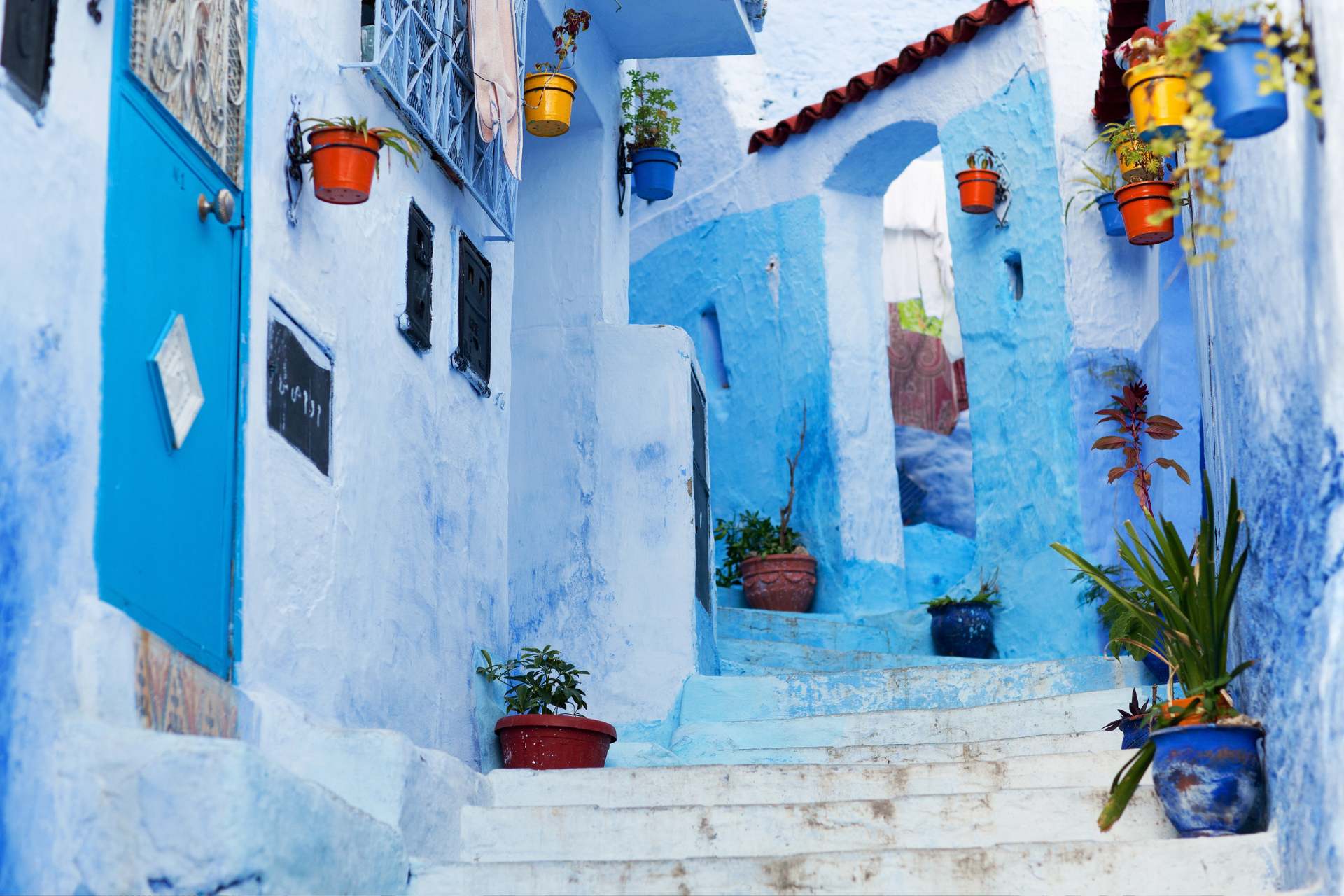
Nestled in the Rif Mountains, Chefchaouen, known as the Blue Pearl of Morocco, offers a unique blend of history, culture, and artistic expression. Founded in 1471, this mountain town provides students with a distinct perspective on Morocco’s diverse historical influences and artistic traditions.
The Town’s Historical Origins
The historical origins of Chefchaouen’s distinctive blue-washed buildings are multifaceted, with theories ranging from Jewish influences to practical uses like mosquito repellent. The town was founded by Moorish and Jewish refugees fleeing Spain during the Reconquista, offering learning opportunities about historical population movements and cultural exchange.
Cultural and Artistic Learning Opportunities
Chefchaouen is a center for traditional Moroccan arts and crafts, including weaving, leather goods, and pottery. Students can observe and participate in workshops with local artisans, gaining insights into Moroccan history and cultural practices. The town’s unique aesthetic makes it ideal for studying color theory and architectural adaptation.
Immersive Learning Experiences
Historical sites in Morocco offer a unique setting for student tours, providing immersive learning experiences that go beyond traditional classroom education. These sites are not just places to visit; they are vibrant learning environments that engage students in multiple ways.
Students participating in these tours can enjoy a variety of hands-on cultural activities. These include traditional cooking classes where students learn to prepare local dishes, calligraphy workshops that introduce them to beautiful Arabic script, and musical performances that showcase Moroccan heritage.
Hands-on Cultural Activities
Through these activities, students gain a deeper understanding of Moroccan culture and traditions. For instance, craft demonstrations allow students to observe and participate in traditional crafts, providing a tangible connection to the country’s rich artisanal heritage.
Interactive Historical Lessons
Interactive historical lessons are another key component of student tours in Morocco. These can include role-playing historical scenarios, archaeological simulations, and architectural drawing exercises. Such activities make history more engaging and accessible, helping students to better retain the information.
Educational Benefits of Moroccan Travel
The educational benefits of traveling to Morocco for students are multifaceted, encompassing subjects such as history, art, architecture, and language arts. By experiencing different historical periods and cultural contexts firsthand, students develop their critical thinking skills and gain a broader perspective on global issues.
Overall, well-designed student tours to Morocco’s historical sites can connect classroom learning with real-world contexts, making abstract concepts concrete and memorable.
Essaouira
The coastal city of Essaouira is a fascinating destination that combines Moroccan and Portuguese influences. This charming town on Morocco’s Atlantic coast offers a unique blend of history, culture, and natural beauty, making it an ideal location for student tours.
Essaouira’s historic medina, a UNESCO World Heritage site, is a testament to the city’s diverse cultural heritage. The medina’s architecture reflects a mix of Moroccan and European influences, providing students with a tangible example of cultural exchange.
UNESCO World Heritage Medina
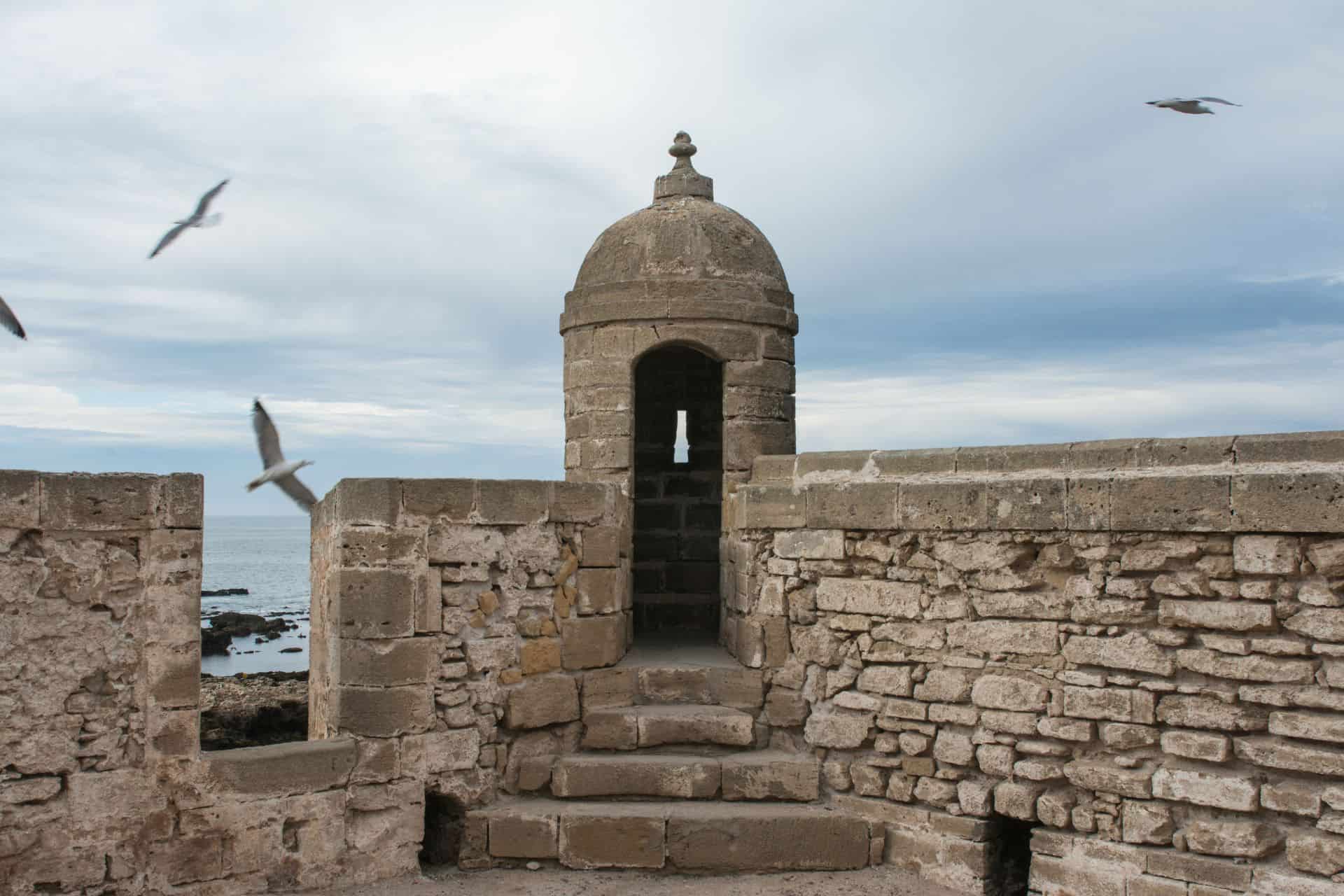
Essaouira’s medina is characterized by its well-preserved 18th-century fortifications, including the Skala de la Ville, designed by a French architect for Sultan Mohammed III. This unique blend of European military engineering and North African context offers valuable insights into the city’s history.
Maritime History and Cultural Exchange
Essaouira was a major Atlantic port that connected Morocco to global trade networks. Students can explore the city’s rich maritime history, gaining insights into historical commerce, naval technology, and cultural exchange between Morocco and other civilizations.
Art and Music Heritage
Essaouira is renowned for its vibrant arts scene, particularly its Gnawa music, a spiritual music form with sub-Saharan African roots. The city is also a haven for artists and craftspeople, offering students a unique opportunity to experience Morocco’s rich cultural heritage.
Jewish Heritage Sites Across Morocco
Morocco’s Jewish heritage is a rich tapestry woven over 2,000 years, offering students a unique lens through which to explore religious coexistence and cultural exchange. This heritage is manifested in various historic sites across the country, including synagogues, mellahs, and other cultural landmarks.
Historic Synagogues and Mellahs
The historic synagogues and mellahs (Jewish quarters) in cities like Fez, Marrakech, and Essaouira are testaments to the rich Jewish heritage in Morocco. These areas showcase distinctive architectural styles and urban organization, reflecting both protection and segregation. For instance, the Ibn Danan Synagogue in Fez and Slat Al Azama in Marrakech are exemplary models of Moroccan-Jewish architectural styles.
Cultural Coexistence and Historical Lessons
Morocco’s Jewish heritage sites illustrate the concept of convivencia (coexistence), offering valuable lessons about interfaith relations and cultural exchange across centuries. The country’s history as a haven for Jews fleeing persecution during the Inquisition provides a counternarrative to typical European histories of religious intolerance, highlighting Morocco’s role in promoting religious diversity.
Educational Value of Morocco’s Religious Diversity
Studying Morocco’s Jewish heritage provides students with a more nuanced understanding of religious diversity in Islamic societies, challenging simplistic narratives about historical religious conflicts. Educational activities such as comparative religious studies, analysis of architectural influences, and exploration of shared culinary traditions can enhance the learning experience, offering a comprehensive understanding of Morocco’s cultural heritage.
Conclusion
Student tours to Morocco’s historical sites provide a transformative learning experience that goes beyond traditional classroom settings. The diverse historical sites across the country, from the imperial cities of Marrakech, Fez, Meknes, and Rabat to coastal Essaouira and mountain towns like Chefchaouen, offer a comprehensive view of different historical periods, architectural styles, and cultural influences.
These immersive experiences not only develop critical thinking skills through comparison and contrast of different historical contexts and cultural practices but also foster global perspective, cultural sensitivity, and appreciation for diverse civilizations and traditions. The sensory richness of Morocco, including the vibrant colors of Chefchaouen, the sounds of the souks, and the tastes of traditional cuisine, creates memorable learning experiences.
To maximize the educational impact, educators can prepare students with pre-trip activities, engage them in on-site learning, and facilitate post-trip reflection. Morocco’s historical tours offer a unique opportunity for students to explore the country’s rich history, architecture, and traditions, making it a premier destination for educational travel.
Educators are encouraged to consider Morocco for student tours that combine historical depth, cultural richness, and transformative experiences.