

Is Morocco Safe for Solo Student Travelers?
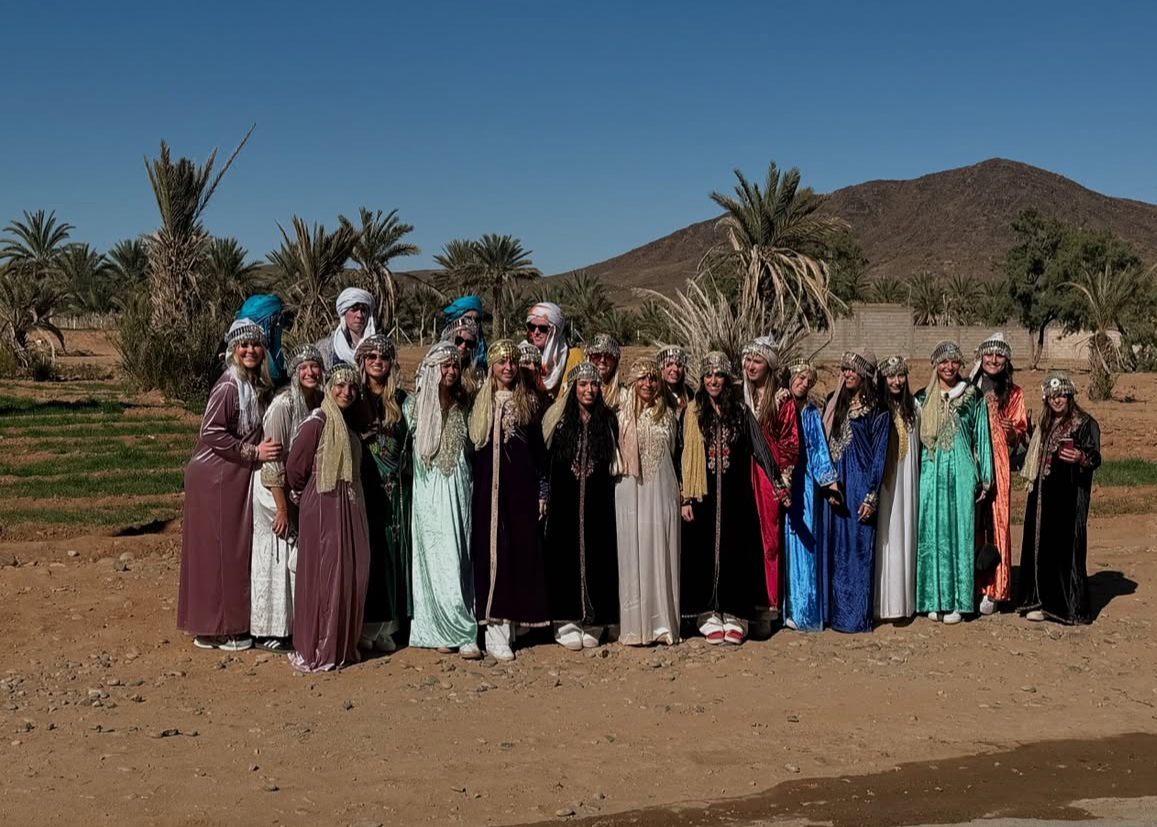
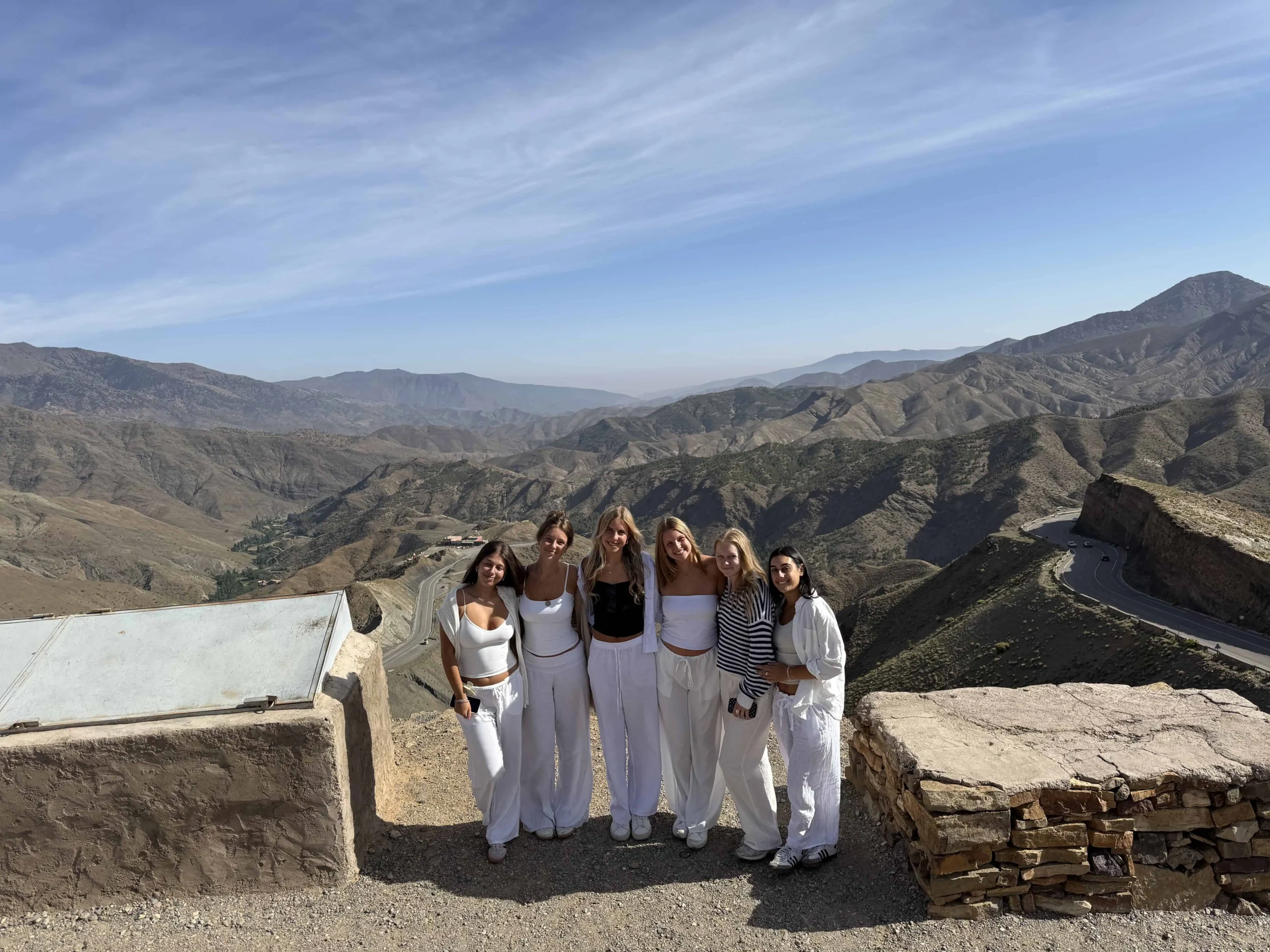
As a solo female traveler who has explored 5 continents, I’ve often wondered: Can a country be both exotic and secure? Morocco, with its unique blend of Arab, Berber, and European influences, is a destination that sparks curiosity among students. With its majestic landscapes, from the High Atlas Mountains to the ancient earthen community Ait-Ben-Haddou, Morocco offers a rich cultural experience.
Safety is a top concern for solo travelers, especially students. This comprehensive guide will address common concerns and questions, providing honest insights into safety based on real experiences. We’ll explore the challenges and rewards of traveling to Morocco as a student, including navigating cultural differences and making the most of educational opportunities.
Understanding Morocco as a Solo Student Destination
With its blend of African, Arab, and European influences, Morocco presents a distinct travel experience for students venturing alone. This North African country is known for its vibrant culture, rich history, and diverse geography, making it an attractive destination for solo travelers. Understanding the nuances of traveling in Morocco is essential for students to navigate the country safely and enjoyably.
What Makes Morocco Unique for Students
Morocco’s uniqueness for students lies in its blend of traditional and modern elements. The country’s rich cultural heritage, including its historical sites, bustling markets, and diverse cuisine, provides a comprehensive learning experience. Students can immerse themselves in the local culture by exploring the medinas, trying local cuisine, and engaging with the friendly locals. Many Moroccans in tourist areas speak multiple languages, including English, French, and Spanish, which helps bridge the language gap for international students.
Common Safety Concerns and Misconceptions
Many students have misconceptions about safety in Morocco based on media portrayals and generalizations. The most common concerns for solo student travelers involve street harassment, petty theft, and navigating unfamiliar cultural norms. However, violent crime remains relatively rare in tourist areas. By understanding these concerns and being aware of their surroundings, students can minimize potential risks. Dressing appropriately and being mindful of local customs can also help reduce unwanted attention.
Is Morocco Safe for Solo Student Travelers?
Morocco, known for its vibrant cities and serene landscapes, poses both exciting opportunities and safety concerns for solo student travelers. As a destination, it offers a unique blend of cultural experiences and natural beauty, making it a fascinating place to explore.
Safety Rankings and Statistics
Morocco is considered a relatively safe country for tourists, with low rates of violent crime. According to safety rankings, Morocco ranks well in terms of tourist safety compared to other countries in the region. Statistics show that most visits to Morocco are trouble-free, with petty crimes being the main concern.
The country’s major cities, such as Marrakech and Rabat, have a visible police presence, contributing to their safety. However, as with any travel destination, it’s essential for solo student travelers to remain aware of their surroundings and take necessary precautions.

Differences in Experience by Gender
Solo female travelers may face different challenges in Morocco compared to their male counterparts. While Morocco is generally considered safe, women might experience more unwanted attention. Dressing modestly and being confident can help mitigate these issues.
Understanding local customs and dressing appropriately can significantly enhance the travel experience for solo female travelers. It’s also advisable to stay informed about local attitudes towards women.
Urban vs. Rural Safety Considerations
The safety landscape in Morocco varies significantly between urban and rural areas. Major cities like Rabat, Casablanca, and Marrakech offer more developed tourist infrastructure and a visible police presence, making them generally safer for solo student travelers.
In contrast, rural areas and smaller towns, while providing a more authentic cultural experience, require more cultural sensitivity and basic language skills. Solo travelers should be prepared for different conditions and potentially limited English-speaking assistance in these areas.
Cultural Norms and Expectations to Know
As a solo student traveler in Morocco, being informed about cultural expectations can significantly enhance your adventures. Morocco is known for its rich cultural heritage and vibrant social dynamics, which can sometimes be challenging for tourists to navigate.
Understanding Moroccan Social Dynamics
Moroccan society is deeply rooted in its Islamic heritage and traditional values. Social interactions are often formal, and respect for elders is paramount. Tourists should be prepared to greet locals with a respectful handshake or a greeting, using their right hand, as the left hand is considered unclean.
Religious Considerations and Respect
Morocco is an Islamic country, and visitors should be mindful of this when interacting with locals or visiting religious sites. Dressing modestly, especially when visiting mosques or rural areas, is advisable. Women should consider covering their shoulders and knees as a sign of respect.
Public Behavior and Etiquette
Public displays of affection are generally frowned upon in Morocco. Even holding hands as a couple can attract negative attention or comments from locals. When engaging in commercial transactions, bargaining is expected, but it should be done respectfully. Additionally, using your right hand for eating, passing items, and greeting is considered polite, as the left hand is traditionally viewed as unclean.
To have a smooth experience, it’s also important to understand that refusing offers of hospitality, such as tea or food, can sometimes be perceived as rude. Learning polite ways to decline or being prepared to accept these offers graciously can go a long way in fostering positive interactions with locals.
Dressing Appropriately in Morocco
As a traveler in Morocco, dressing appropriately is key to blending in and showing respect for local customs. Morocco is a country with a rich cultural heritage and diverse climates, making it essential to pack wisely.
Clothing Guidelines for Women
For women, comfort and modesty are paramount. Lightweight pants and tops that cover the chest are recommended. While you may not need to cover your hair, being mindful of your attire, especially in conservative areas, is crucial. For instance, avoiding revealing clothing like cut-offs and crop tops can help minimize unwanted attention.
When engaging in outdoor activities or hiking, consider wearing a lightweight bra for added comfort and support. Morocco’s varied climate, from the Atlas Mountains to coastal cities, demands adaptable clothing.

Clothing Guidelines for Men
Men should also prioritize comfort and respect for local norms. Lightweight, breathable clothing is advisable, especially in warmer regions. Avoiding overly casual or revealing attire, such as shorts in conservative areas, can help ensure a smoother experience.
Regional Variations in Dress Expectations
Morocco’s dress code varies significantly across different regions. Coastal cities like Essaouira and Tangier have a more relaxed dress code due to their beach culture and tourist presence. In contrast, imperial cities like Fes and Meknes are more conservative, requiring more modest attire, especially near religious sites.
In the Atlas Mountains, traditional Berber influences are evident, and visitors should be respectful of local customs. Understanding these regional variations can help travelers dress appropriately and enhance their overall experience.
Navigating Transportation Safely
As a solo student traveler in Morocco, understanding the transportation landscape is crucial. Morocco offers a variety of transportation options, each with its own safety considerations.
Public Transportation Options and Safety
Morocco’s public transportation system includes buses and trains, which are generally safe for students. The ONCF train service is particularly reliable for longer distances, offering a comfortable and relatively safe way to travel across the country. However, it’s essential to be mindful of personal belongings, especially in crowded areas.
Taxis and Ride Services
Taxis and ride services are widely available in Morocco. For a safe experience, it’s recommended to use licensed taxis or services like Careem or Uber, which are available in major cities. Always agree on the fare before starting your trip to avoid any confusion.
Renting Vehicles as a Student Traveler
Renting a vehicle can offer flexibility for travelers, but it comes with challenges. When driving in the Atlas Mountains, caution is advised due to winding roads. It’s crucial to avoid driving at night and consider hiring a local driver for long trips, as they are familiar with the roads. Additionally, ensure you have the necessary insurance coverage, as basic mandatory coverage may not be sufficient.
For many student travelers, the safest option is to hire drivers for day trips or longer excursions. This not only enhances safety but also provides valuable local insights.
Common Challenges and How to Handle Them
Solo student travelers in Morocco often face a range of challenges that can be managed with the right strategies. Understanding these challenges is crucial for a safe and enjoyable experience.
Street Harassment and Unwanted Attention
Street harassment is a concern for many solo female travelers. To handle unwanted attention, it’s essential to look confident and avoid engaging with persistent strangers. Saying “La shukran” (no thank you) firmly while continuing to walk can be an effective response. Avoiding eye contact and not following anyone who approaches out of the blue are also prudent measures.
Scams Targeting Students and Tourists
Scams are another challenge solo travelers may encounter. Being cautious with strangers who offer unsolicited help or deals that seem too good to be true is vital. Keeping personal belongings secure and being mindful of surroundings can prevent many scams. It’s also a good idea to research common scams targeting tourists before arrival.
Setting Boundaries and Saying “No”
Setting boundaries is crucial in Morocco, where cultural differences can sometimes make boundary-setting challenging. Practicing direct but polite refusals, such as “La, shukran,” before arrival can help. Maintaining physical distance and avoiding prolonged eye contact also reinforce verbal boundaries. Having prepared phrases like “I’m not interested” or “I’m meeting friends” can be useful in different situations.
By being prepared and aware of these challenges, solo student travelers can navigate Morocco with greater confidence and safety.
Best Destinations for First-Time Student Travelers
As a solo student traveler, Morocco provides a unique blend of cultural immersion and adventure. The country’s diverse cities and landscapes offer numerous opportunities for exploration and personal growth.
Student-Friendly Cities in Morocco
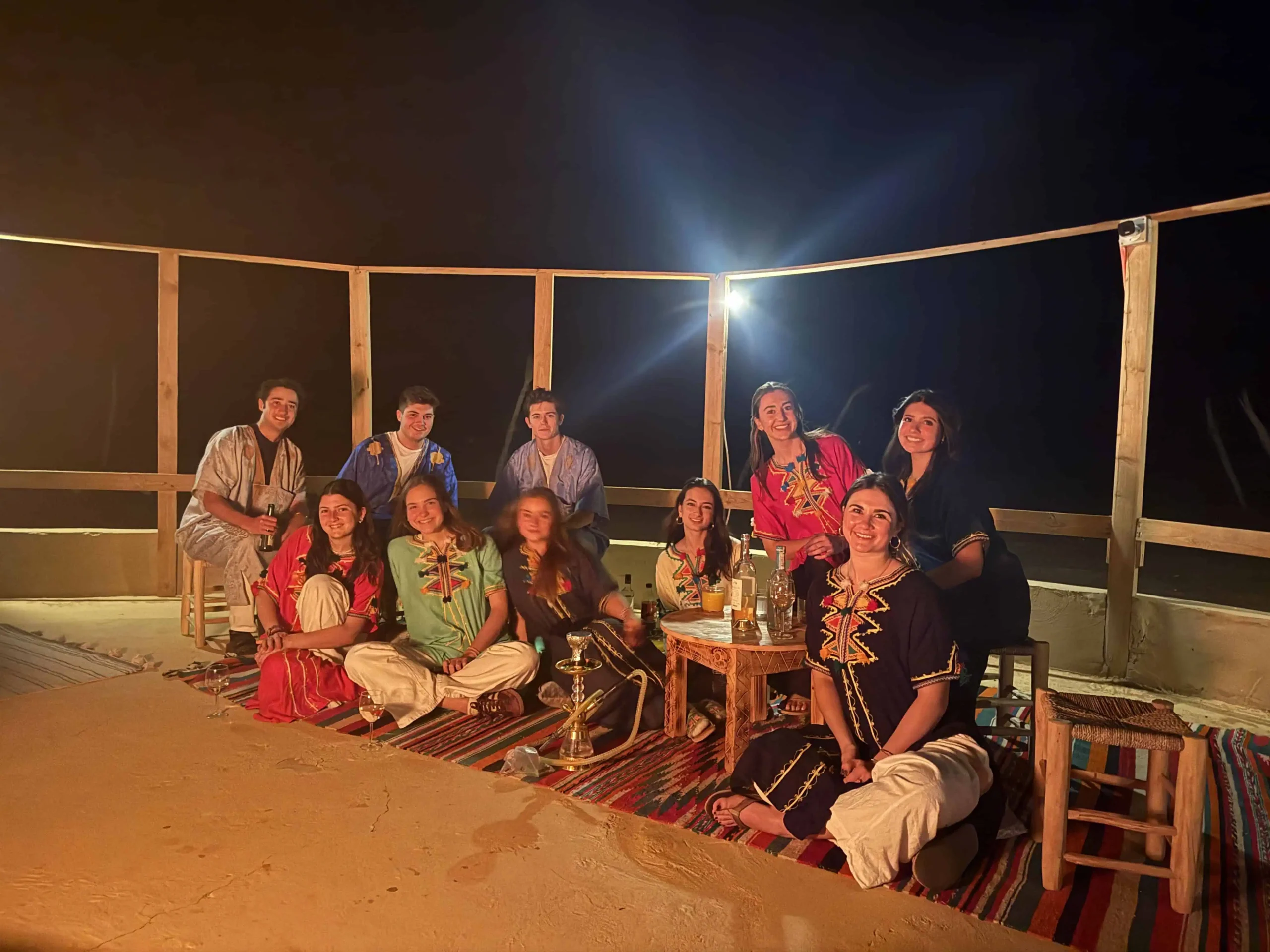
Morocco has several cities that are particularly welcoming to solo student travelers. Marrakech is known for its vibrant atmosphere and rich cultural heritage. The city’s medina, while complex, is a fascinating place to explore, with numerous historical sites and bustling markets. Marrakech’s energetic vibe makes it an ideal destination for solo travelers.
Other student-friendly cities include Rabat, the capital, which offers a more relaxed atmosphere and significant historical landmarks, and Fes, with its ancient medina, one of the largest car-free urban areas in the world.
Places to Approach with Extra Caution
While Morocco is generally a safe country for solo travelers, there are areas that require extra caution. Deserted medina alleys after nightfall and isolated beaches, particularly in Agadir and Essaouira, should be avoided. Certain neighborhoods in major cities, such as Casablanca’s Sidi Moumen, are best avoided in the evening due to higher crime rates.
Additionally, remote areas of the Rif Mountains in northern Morocco and border regions near Algeria should be approached with caution due to potential security concerns and unpredictable situations.
By being aware of these areas and taking necessary precautions, solo student travelers can have a safe and enriching experience in Morocco.
Practical Safety Tips for Your Morocco Trip
To make your solo travel experience in Morocco enjoyable and stress-free, consider these practical safety tips. As a solo traveler, being prepared is half the battle in ensuring a smooth journey.
Pre-Trip Preparation
Before you travel to Morocco, pre-trip preparation is key. Download essential apps like offline maps (Maps.me, Google Maps offline) and translation tools (Google Translate with Arabic language pack) to help navigate the country. It’s also wise to purchase a local SIM card upon arrival for affordable data access and emergency connectivity.
Establishing regular check-in protocols with family or friends back home can provide an added layer of safety. Set clear expectations about the frequency of your communications and what should trigger concern if you miss scheduled check-ins.
Essential Items to Pack
Packing the right items can significantly impact your travel experience. Ensure you have secure digital devices with strong passwords, biometric locks, and encryption. Don’t forget to back up important documents to secure cloud storage before and during your travel.
Other essential items include comfortable clothing suitable for Moroccan culture, a money belt, and a portable charger for your devices. Being mindful of your belongings and keeping them secure is crucial, especially in crowded areas.
Digital Safety and Staying Connected
Digital safety is a critical aspect of solo travel. Be cautious when using public WiFi, especially when accessing sensitive information. Consider using location-sharing apps with trusted contacts for added security during solo excursions.
Researching emergency contact information, such as local emergency numbers (Police: 19, Ambulance: 15) and the nearest embassy or consulate locations, can be lifesaving in unexpected situations. Stay connected with family and friends through regular updates, and don’t hesitate to reach out if you need assistance.
By following these practical safety tips, solo travelers can minimize risks and maximize their experience in Morocco. Trust your instincts, stay informed, and enjoy your journey.
Conclusion
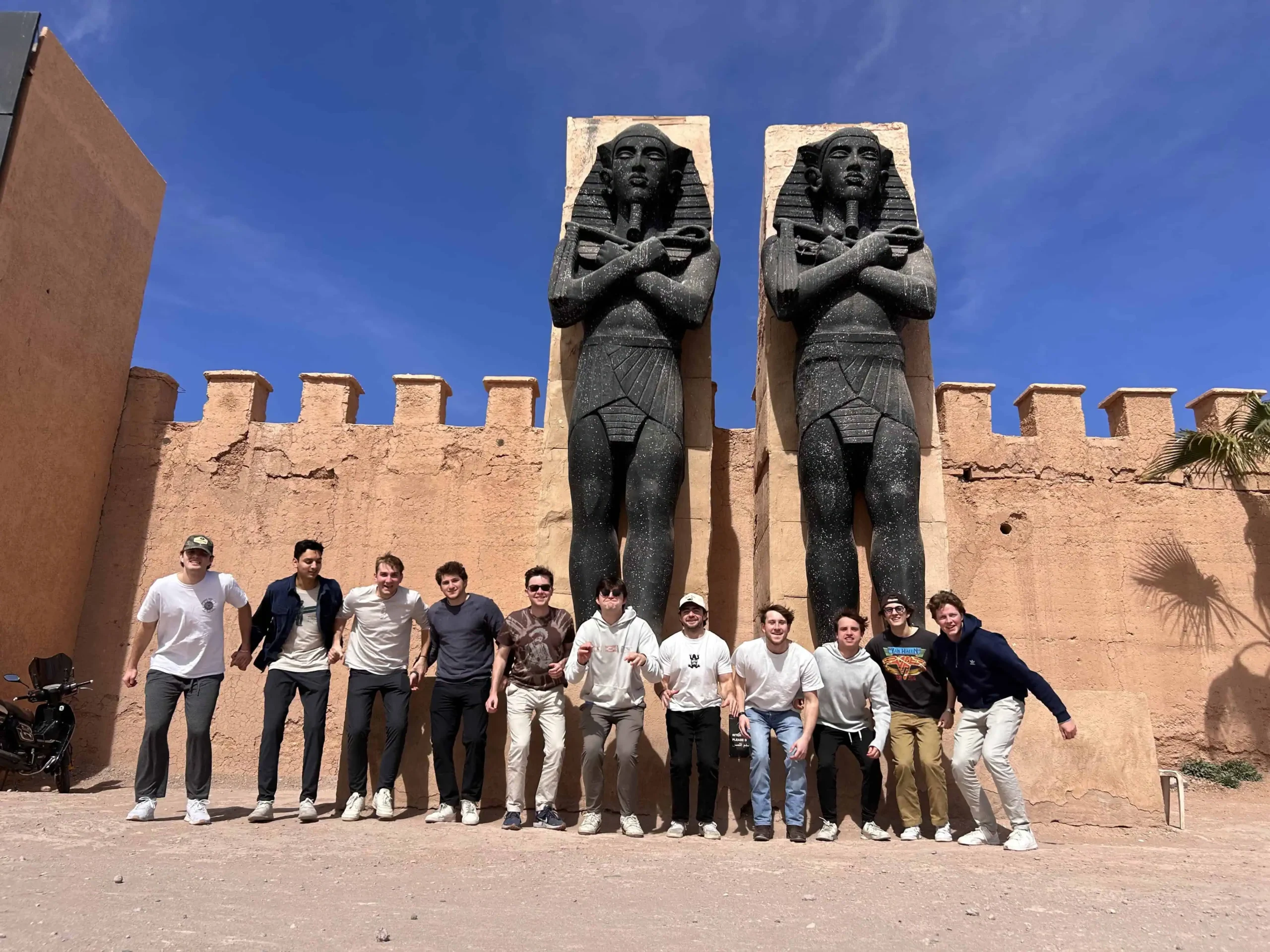
As we conclude our exploration of Morocco’s safety for solo student travelers, it’s clear that this fascinating country offers a unique blend of challenges and opportunities. Morocco provides solo student travelers with an extraordinary educational experience that combines academic opportunities with profound cultural immersion.
With proper preparation and awareness, solo travelers can navigate the challenges and enjoy the rewards that Morocco has to offer. The experience can be particularly transformative for women, who can develop valuable skills such as confidence, adaptability, and cross-cultural communication.
By understanding the local culture, respecting traditions, and staying informed, solo student travelers can have a safe and enriching experience in Morocco. The country’s rich history, diverse landscapes, and vibrant culture make it an unforgettable destination that can broaden one’s perspective and foster personal growth.