
The Ultimate Student Travel Guide To Morocco
Are you ready to embark on an unforgettable adventure in a country where African, Arab, and European influences blend in a vibrant cultural tapestry? Can a budget-friendly trip to Morocco be both exciting and safe? The answer is a resounding yes, and this comprehensive guide will show you how.
Morocco is a great destination to visit all year long, with its diverse climates offering something unique in every season. From the coastline to the mountains and desert landscapes, this guide will provide you with essential information to plan your trip, covering everything from budgeting and safety to cultural experiences and must-visit destinations.
With this guide, you’ll be equipped with practical knowledge to navigate Morocco confidently, maximizing your experience on a budget. Get ready to explore the diverse experiences that Morocco has to offer.
Planning Your Moroccan Adventure
To make the most of your Moroccan adventure, it’s crucial to plan ahead, considering factors like timing and budget. A well-planned trip can significantly enhance your experience, allowing you to fully immerse in the country’s rich culture and history.
Best Time to Visit Morocco
Morocco is a year-round destination, but the best time to travel Morocco depends on your preferences. Spring (March to May) and autumn (September to November) are ideal, with mild temperatures and fewer tourists. Summer can be very hot, especially in the desert regions, while winters are cool in the mountains.
Student-Friendly Budget Planning
Budgeting is a critical aspect of planning your trip. On average, students should budget approximately 300-500 dirhams ($30-50) per day for comfortable travel, including accommodation, food, and local transportation. Costs can be minimized by opting for hostels, street food, and shared taxis. It’s also wise to set aside funds for souvenirs and unexpected expenses.
Essential Travel Information
As you plan your trip to Morocco, having the right information at your fingertips can greatly enhance your travel experience. Understanding the essentials of language, currency, and visa requirements will help you navigate the country with confidence.
Language and Communication Tips
While Arabic is the official language, French is widely spoken, and many Moroccans in the tourism industry speak English. Learning a few basic Arabic phrases like “hello” (Marhaba) and “thank you” (Shukraan) can go a long way in enhancing your interactions with locals.
Currency and Payment Methods
The Moroccan dirham (MAD) is the local currency. While credit cards are accepted in many tourist areas, cash is preferred in smaller towns and traditional markets. It’s advisable to have some local currency for when you’re traveling to areas with limited card facilities.
Visa Requirements for Students
Most students from North America and Europe can enter Morocco without a visa for stays up to 90 days. For longer stays, a student visa is required, which involves applying through the Moroccan consulate in your home country with necessary documents like a valid passport, proof of enrollment, and financial solvency. The application process can take several weeks, so it’s essential to apply well in advance.
Student Travel Guide to Morocco: Safety Tips
To make the most of your Moroccan adventure, it’s vital to be informed about the safety tips that will help you travel in a way that respects local customs. Morocco is a wonderful destination for students, offering a rich cultural experience. Understanding the local environment and taking necessary precautions can significantly enhance your travel experience.
General Safety Precautions
When traveling in Morocco, it’s advisable to stay informed about local conditions and customs. Keeping your valuables secure and being mindful of your surroundings can help prevent common issues like pickpocketing. It’s also a good idea to stay in well-lit and populated areas, especially at night.
Staying safe also means being aware of local advice and following guidelines provided by your accommodation or local authorities. By doing so, you can minimize risks and enjoy your time exploring Morocco.
Female Traveler Safety
Many female travelers have visited Morocco without incident, and with some basic precautions, you can have a safe and enjoyable trip. Dressing modestly is key to respecting local customs and minimizing unwanted attention. Walking with confidence and purpose can also deter harassment.
Consider traveling with companions, especially at night, as an additional way to enhance your safety. Learning a few phrases to politely decline unwanted attention can also be helpful. Trusting your instincts and seeking help when needed is crucial.
What to Pack for Morocco
Packing the right items for Morocco is crucial for a comfortable and respectful journey. As you prepare for your trip, consider the cultural norms and technological requirements to ensure a smooth travel experience.
Clothing Essentials for Cultural Respect
Morocco is a conservative country, and dressing modestly is essential, especially when visiting mosques or rural areas. Loose-fitting clothing that covers your shoulders and knees is recommended. For women, a scarf can be a useful addition to your outfit to cover your head when needed.
Tech and Travel Accessories
Morocco uses type C and E plugs with a standard voltage of 220 V and a frequency of 50 Hz. A universal power adapter with surge protection is a must-have for charging your devices. Additionally, consider packing:
- A portable power bank to keep your devices charged while exploring.
- A quality camera or smartphone to capture Morocco’s stunning landscapes.
- Waterproof cases or bags to protect your electronics from dust and sand.
- A portable water purifier or filtration bottle to reduce plastic waste and ensure safe drinking water.
Accommodation Options for Students
Morocco offers a diverse range of accommodations for students, from traditional riads to modern hostels. Choosing the right place to stay is crucial for a comfortable and enjoyable trip.
Staying in Traditional Riads
Traditional riads are a popular choice among travelers to Morocco. These historic houses with interior gardens offer a unique cultural experience. Many riads are now converted into boutique hotels or guesthouses, providing a blend of traditional architecture and modern comforts.
Budget Hostels and Student Housing
For students on a tight budget, hostels are an economical option, typically costing between 80-150 dirhams per day for dormitory-style accommodations. Many hostels organize social activities, making it easy to meet other young travelers. University residences sometimes offer summer accommodations to international students, providing basic facilities at reasonable rates.
When selecting budget accommodations, prioritize locations near public transportation to easily access major attractions and plan day trips. Reading recent reviews helps identify hostels with the best balance of affordability, cleanliness, security, and social atmosphere, ensuring a pleasant stay for students.
Transportation Around Morocco
Understanding Morocco’s transportation options is key to a smooth and enjoyable trip. Morocco offers a variety of ways to get around, from traditional taxis to modern ride-sharing apps.
Navigating Public Transport
Morocco’s public transportation system includes buses and trains that connect major cities. The ONCF train service is particularly reliable for intercity travel, offering comfortable and relatively fast journeys. For city travel, petit taxis are a convenient option, operating on meters, but it’s crucial to make sure the driver starts the meter or agree on a fare beforehand.
Taxi Tips and Ride Sharing
When using taxis, following the practices of locals can enhance your experience. Petit taxis are ideal for city travel and are generally affordable. For intercity travel, grand taxis operate on fixed routes with set prices. Ride-sharing apps like Careem are also available in major cities, offering a convenient alternative with predetermined pricing. Knowing the approximate fare range helps avoid overpaying.
Must-Visit Cities in Morocco
With its unique blend of Arab, Berber, and French influences, Morocco’s cities are a fascinating mix of old and new. Each city offers a distinct experience, from the ancient medinas to the modern capitals.
Fes: The Cultural Capital
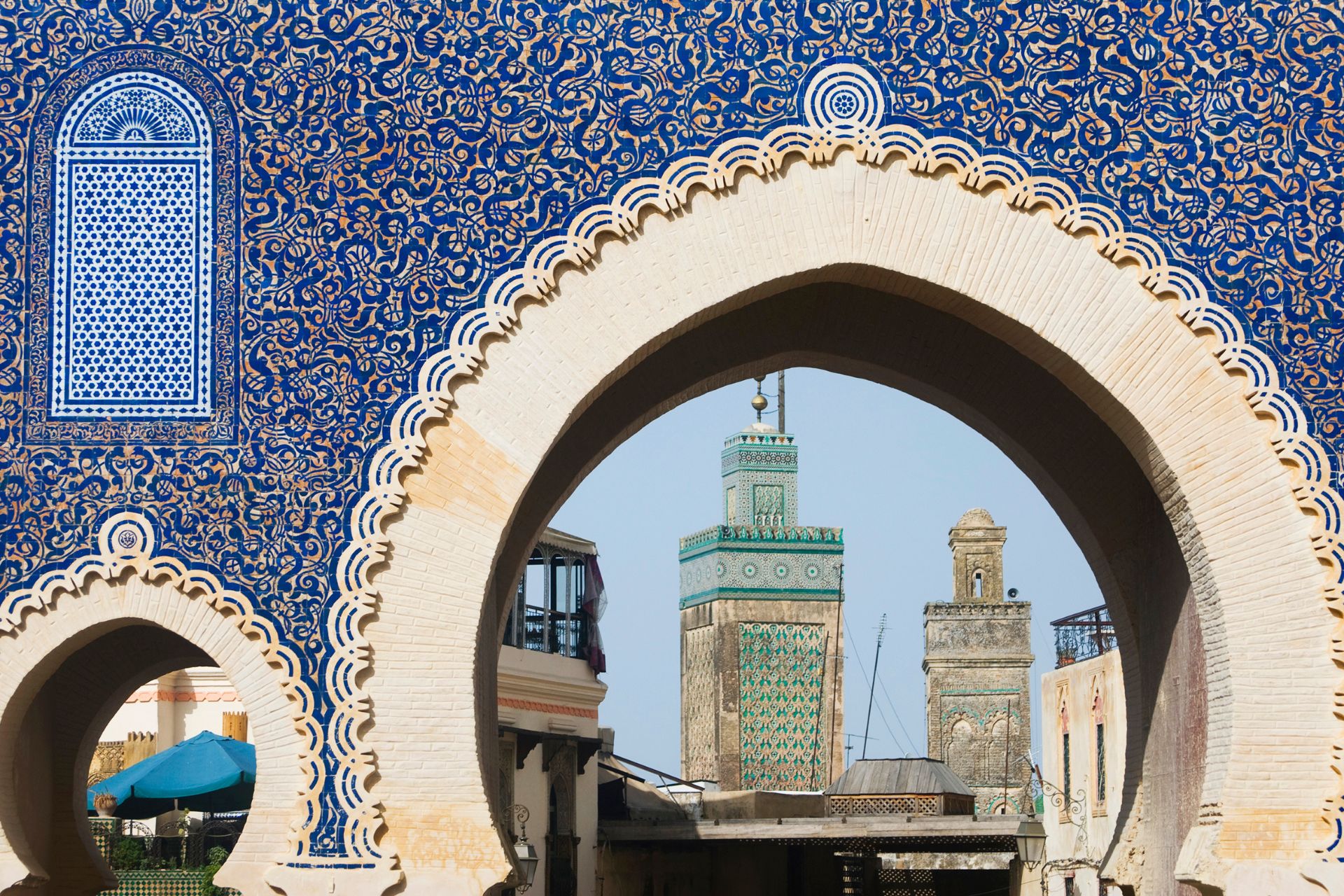
Fes, one of Morocco’s four imperial cities, is a cultural and historical hub. Visitors can explore the ancient medina, a UNESCO World Heritage site, and visit the Al-Attarine Madrasa, known for its intricate tile work. The city’s rich history is palpable as you wander through its narrow streets.
Chefchaouen: The Blue City
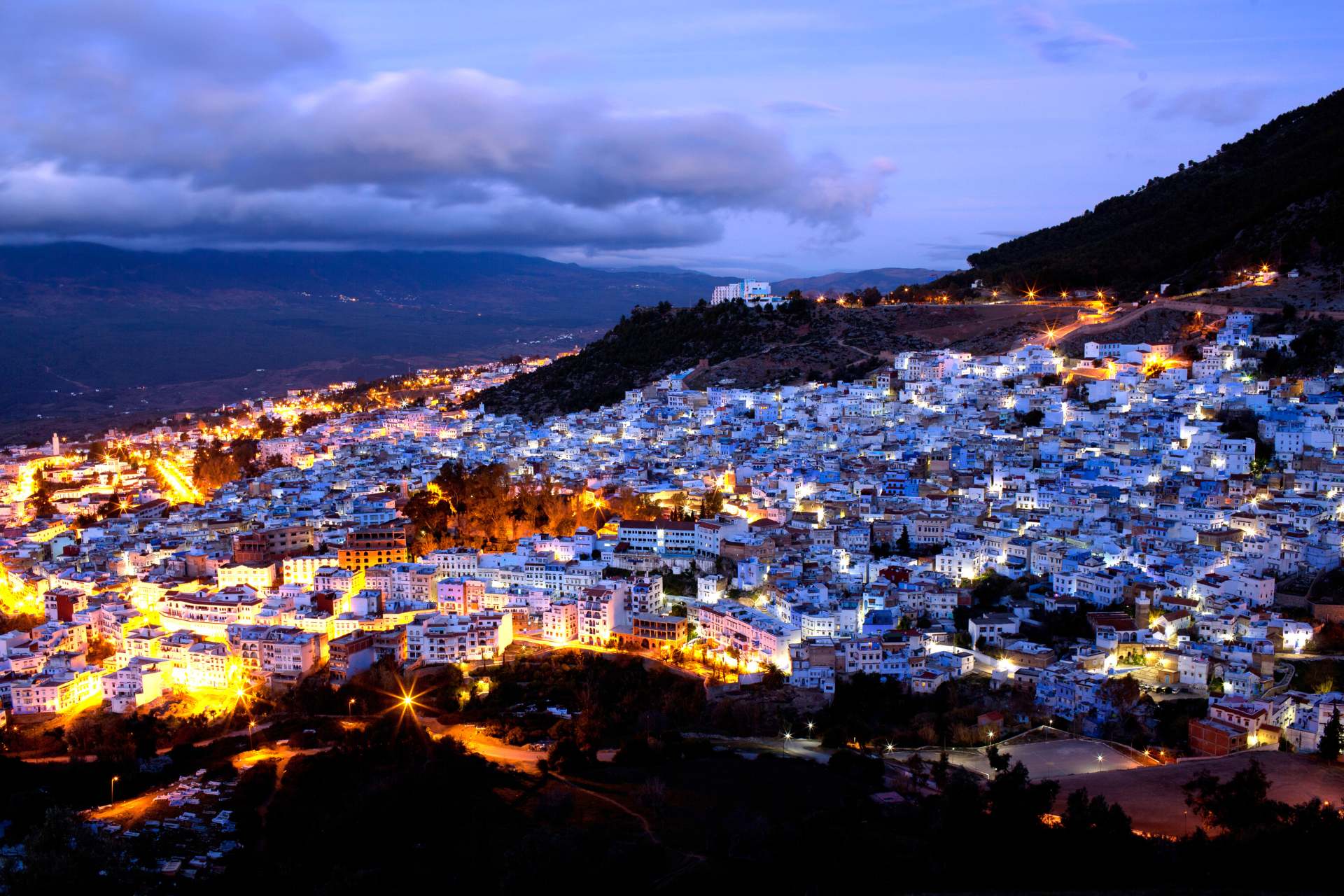
Chefchaouen, nestled in the Rif Mountains, is famous for its blue-painted buildings and relaxed atmosphere. Visitors can hike in the surrounding mountains, explore the local markets, and enjoy the city’s laid-back vibe.
Rabat: The Modern Capital
Rabat, the capital city of Morocco, offers a blend of modern and historical attractions. The Kasbah of the Udayas, with its stunning ocean views, and the Hassan Tower, a symbol of the city, are must-visit sites. Students can also explore the city’s vibrant cultural scene.
Meknes: The Imperial City
Meknes, another of Morocco’s imperial cities, is easily accessible by train from Fes. The city boasts impressive historical sites, including the massive walls and monumental gates like Bab Mansour. Visitors can explore the underground prison of Habs Qara and the royal granaries, showcasing the ambition of Sultan Moulay Ismail. The Meknes medina offers a less pressured shopping environment compared to more touristic cities, making it an excellent destination for students.
Navigating the Medinas
With their rich history and bustling atmosphere, Morocco’s medinas are a must-visit destination for any student traveler. The medinas offer a unique cultural experience, with narrow streets filled with vibrant markets, traditional crafts, and local cuisine.
Understanding Medina Layout
The medinas in Morocco are typically walled cities with a complex network of narrow streets. Understanding the layout is key to navigating these historic areas. Many medinas have a central square or landmark that serves as a reference point for visitors.
It’s helpful to have a map or guide to navigate the medinas, as the streets can be confusing. Many medinas also have clear signage, making it easier for visitors to find their way around.
Shopping Tips and Bargaining Skills
Shopping in the medinas can be a fun and rewarding experience, but it requires some skill. Bargaining is expected in Moroccan markets, with initial prices often set 30-50% higher than what sellers expect to receive.
To get the best deal, it’s essential to set a maximum price in your mind before beginning negotiations. Comparing similar items across multiple stalls can also provide insight into fair price ranges and quality differences. Walking away is a legitimate bargaining strategy, as sellers often call shoppers back with better offers when they see genuine disinterest.
By approaching bargaining as a friendly cultural exchange, students can enjoy a positive shopping experience in the medinas. With practice, you’ll become more comfortable navigating the markets and finding great deals.
Moroccan Food Guide for Students
Moroccan food is a delicious reflection of the country’s history and cultural diversity, offering students a unique culinary experience. The cuisine is characterized by its rich flavors, aromas, and vibrant colors, making it a fascinating aspect of Moroccan culture.
Must-Try Traditional Dishes
When exploring Moroccan cuisine, there are several traditional dishes that students should not miss. These include tagines, slow-cooked stews named after the clay pots in which they are cooked, and couscous, a North African staple made from semolina flour. Other must-try dishes are harira, a hearty soup, and b’stilla, a savory pie filled with meat, onions, and spices.
Street Food Safety and Recommendations
While street food is a significant part of the Moroccan culinary experience, it’s essential for students to be cautious about food safety. To minimize risks, students should make sure that the food is cooked thoroughly and served hot. When selecting street food vendors, look for busy stalls with high turnover and locals in line, as these indicators suggest both quality and safety.
Some popular street food options with lower risk include freshly grilled meats, bread from bakeries, nuts, dried fruits, and freshly squeezed juices from vendors who use bottled water and clean glasses. It’s also advisable to carry hand sanitizer and use it before eating street food, as handwashing facilities may not be readily available.

Cultural Experiences in Morocco
Immersing yourself in Morocco’s rich cultural heritage is an unforgettable experience. Morocco offers a diverse array of cultural practices that are integral to the country’s identity.
The Moroccan Bath Experience
A visit to a traditional hammam is a quintessential Moroccan experience. Hammams are not just about relaxation; they are social hubs where locals gather, share stories, and rejuvenate. An authentic hammam experience involves a series of steam baths, scrubs, and massages, providing a unique insight into Moroccan culture.
Tea Culture and Social Etiquette
Mint tea is an integral part of Moroccan hospitality. The traditional preparation involves green tea, fresh mint leaves, and sugar, poured from height to create a frothy top. Accepting a glass of mint tea when offered is a sign of respect, and understanding the etiquette of tea service facilitates cultural integration. Beyond mint tea, broader social customs like greetings, conversation topics, and gift-giving are essential to navigate social situations appropriately.
Day Trips and Excursions
From the majestic Atlas Mountains to the vast Sahara Desert, Morocco is a treasure trove of exciting day trip and excursion opportunities.
Desert Excursions to the Sahara
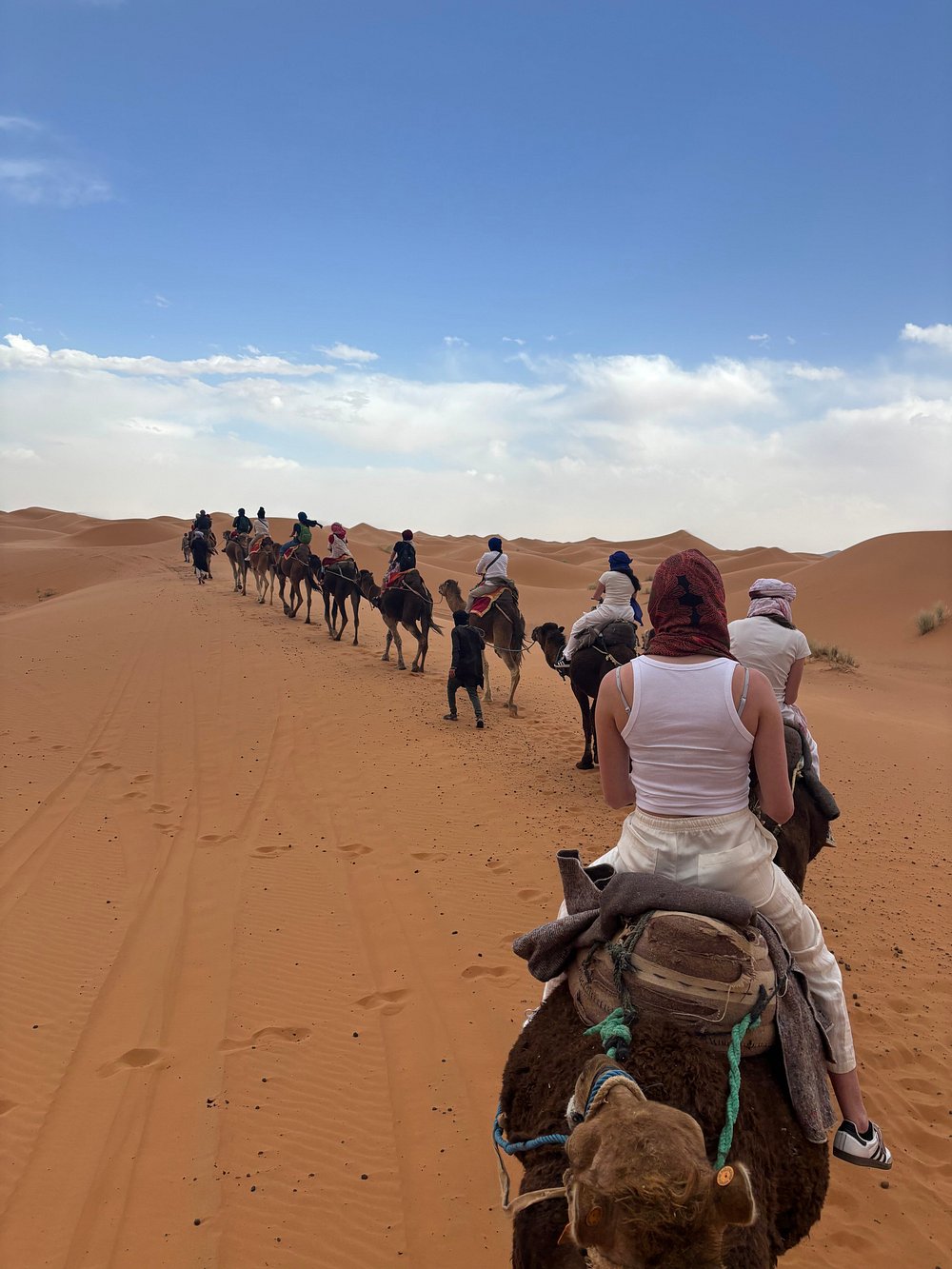
Students can embark on a Sahara Desert tour in Morocco, experiencing the serene beauty of the dunes and the vibrant culture of the desert communities. These tours often include camel rides, visits to nomadic tribes, and overnight stays in traditional Berber camps.
Mountain Trips to the Atlas Range
The Atlas Mountains offer a range of hiking opportunities, from gentle day walks to challenging multi-day treks, with the Toubkal National Park being one of the most popular places for outdoor adventures. Guided hikes typically include local Berber guides who share knowledge about indigenous plants, traditional agriculture, and mountain customs.
Student-Friendly Activities
Morocco offers a diverse range of activities that cater to students looking for adventure, cultural immersion, or simply a relaxing getaway. As part of their travel experience, students can engage in various activities that showcase Morocco’s rich heritage and natural beauty.
Beach and Surfing Opportunities
Morocco’s Atlantic coast is renowned for its excellent surfing conditions, making it a popular destination for students who love water sports. Places like Taghazout and Tamraght offer consistent waves suitable for all skill levels, ensuring that students have a great time learning or improving their surfing skills.
Cultural Workshops and Classes
Cultural workshops and classes provide a unique opportunity for students to delve into Morocco’s rich cultural heritage. Activities include cooking classes where students can learn to prepare traditional Moroccan dishes, traditional craft workshops that teach skills like pottery and weaving, and language classes that help students connect with locals.
These workshops not only offer a hands-on experience but also allow students to gain a deeper appreciation of Moroccan culture. Many of these activities can be arranged for small groups, making them ideal for students traveling together.
Connecting with Locals and Other Students
Connecting with locals and other students is a significant part of the Moroccan experience, enriching your travel time.
Morocco offers a variety of settings where you can meet new people. Many hostels and student accommodations organize social events, walking tour groups, and excursions that facilitate connections among international travelers.
Language Exchange Opportunities
Language exchange programs are an excellent way to meet locals while improving your language skills. Cultural centers like the American Language Center or Institut Français host events that attract both local and international students, providing a great opportunity to engage in language exchange.
Student Meet-ups and Events
University campuses may allow visitors to attend public lectures, cultural events, or student organization meetings, particularly during term time. Additionally, social media groups dedicated to travelers in specific Moroccan cities announce gatherings and activities, making it easy to find and connect with other students.
Digital Essentials for Morocco
For students venturing into Morocco, being digitally prepared is key to a smooth and enjoyable journey. Having the right digital tools can make a significant difference in navigating the country’s vibrant cities and exploring its vast landscapes.
Best Apps for Navigating Morocco
Several apps can enhance your travel experience in Morocco. For navigation, consider downloading maps and guides that work offline. Translation apps can also be incredibly useful for communicating with locals. Google Maps and Google Translate are highly recommended for tourists.
Internet Access and SIM Cards
Staying connected in Morocco is relatively straightforward. Local SIM cards from providers like Maroc Telecom, Orange, or Inwi offer affordable data packages specifically designed for tourists. Most riads, hotels, and cafés offer Wi-Fi, though connection speeds vary by location and type of establishment. Using a VPN service can protect your personal information when using public Wi-Fi networks.
Souvenirs and Gifts to Bring Home
As you explore Morocco, you’ll find a wide array of souvenirs that reflect the country’s rich cultural heritage. The key to a satisfying shopping experience is knowing where to look and what to buy.
Authentic Moroccan Crafts
Morocco is renowned for its traditional crafts, which make for wonderful souvenirs. In the old medina, you can find beautiful teapots and teacups that are perfect for enjoying Morocco’s beloved mint tea. Other unique items include natural black kohl eyeliner, amlou (a rare almond butter treat with orange blossom honey), and jewelry from Chefchaouen. These authentic crafts are not only memorable souvenirs but also support local artisans.
What to Buy and What to Avoid
When shopping for souvenirs, it’s essential to be mindful of what you buy and where you buy it. Support local artisans by purchasing directly from workshops in the old medina. Avoid items that may cause customs issues, such as certain animal products or large quantities of spices. Be cautious of “antiques” without proper permits, and invest in quality for significant purchases like carpets or leather goods. Consider the environmental impact of your souvenirs, opting for items that are sustainably sourced and packaged.
Conclusion
The experience of traveling in Morocco is multifaceted, offering students a rich tapestry of cultural, educational, and personal growth opportunities. As part of their educational journey, a trip to Morocco can be transformative, fostering independence, cross-cultural understanding, and valuable life skills.
Morocco offers students a uniquely accessible introduction to North African culture, combining familiar comforts with exciting new experiences. The memories and perspectives gained from travel morocco often become a formative part of students’ educational and personal development.
The challenges encountered while navigating cultural differences, language barriers, and unfamiliar environments build valuable life skills. Many students find that their trip morocco changes their perspective on hospitality, community, and cultural diversity in lasting ways, making it a significant part of their travel experience.
By approaching travel with an open mind, respect for local customs, and a willingness to step outside comfort zones, students can maximize the transformative potential of their Moroccan experience.